Next Silicon Valley: 10 Cities Competing to Be the Global Tech Hub | 2026 Which city will become the next Silicon Valley? Discover 10 global tech hubs — from Bengaluru to Dubai to Tallinn — backed by real data, case studies & 2026 rankings. 🔷 FOCUS KEYWORD : next Silicon Valley global tech hub

Quick Summary: Silicon Valley is not dying — but its monopoly on global tech leadership is over. In 2026, the world’s startup map is decentralising fast. From Bengaluru’s 30 unicorns and $153 billion ecosystem to Dubai’s D33 vision targeting 10,000 AI companies, from Stockholm’s unicorn density to Tallinn’s 12th-place global ranking — a new generation of cities is competing for the founders, capital, and talent that will define the next decade. Here are the 10 strongest contenders, backed by data from Startup Genome and StartupBlink.
Introduction: Why Silicon Valley’s Grip Is Slipping
For half a century, Bay Area dominance in technology was an assumption, not a debate. But rising rents, inflated salaries, and government-backed rivals are reshaping the map. According to StartupBlink 2026, San Francisco still leads with a score of 935.3 versus New York’s 352.2 — but the gap is closing every year, and the fastest growth in 2026 is happening in Singapore, New York, and a wave of emerging cities.
<cite index=”25-1″>The global startup map is decentralising: APAC ecosystems post the fastest annual growth, with Bengaluru rising 7 ranks and Shenzhen rising 11.</cite> Here are the 10 cities most credibly chasing the crown.
1. Bengaluru, India — Asia’s Fastest-Rising Capital
Rank: #15 globally | Ecosystem Value: $153 billion | Unicorns: ~30
<cite index=”29-1″>Bengaluru attracted roughly $39 billion in VC between 2021–2025 — against a global average of $5 billion — and recorded $46 billion in exits.</cite> It scored 9/10 on both R&D and Performance in Startup Genome’s 2026 index.
Case Study: Krutrim, founded by Ola’s Bhavish Aggarwal, became India’s fastest-ever unicorn (Jan 2024), launching Kruti — an agentic AI assistant supporting 13 Indian languages. External: Startup Genome | Inc42
2. London, United Kingdom — Europe’s Fintech Capital
Rank: #3 globally | Ecosystem Value: $342 billion
<cite index=”17-1″>UK tech companies raised £13.5 billion in 2023 — more than France and Germany combined — with Revolut, Wise, and Monzo anchoring London’s fintech dominance.</cite>
Case Study: Revolut crossed a $45 billion valuation in 2024 after securing a UK banking licence, serving 45M+ customers globally. External: Tech Nation | London & Partners
3. Singapore — Asia’s Regulatory Gateway
Rank: #4 globally | Unicorns: 15
<cite index=”31-1″>OpenAI chose Singapore for its Asia-Pacific headquarters, citing the city’s advanced tech ecosystem.</cite> <cite index=”30-1″>Its clarity in regulation, taxation, and digital infrastructure sets the standard for business agility.</cite>
Case Study: Grab evolved into Southeast Asia’s leading super-app, listing on NASDAQ in 2021 at a $40 billion valuation. External: EntrePass | SGInnovate
4. Dubai, UAE — The Zero-Tax Powerhouse
Venture Capital: $3 billion/year | Strengths: Fintech, AI, PropTech
<cite index=”35-1″>Dubai’s D33 agenda targets 10,000 AI companies and 30 new unicorns by 2033.</cite> <cite index=”33-1″>It is home to 550+ fintech companies operating through DIFC’s regulatory sandbox.</cite>
Case Study: Tabby, Dubai’s BNPL fintech, reached a $1.5 billion valuation backed by Sequoia Arabia and STV. External: DIFC FinTech Hive | D33 Agenda
5. Berlin, Germany — The Counter-Cultural Capital
Strengths: E-commerce, climate tech, gaming
<cite index=”27-1″>Berlin has particular strengths in e-commerce, gaming, and social tech, backed by a well-connected VC ecosystem and events like Tech Open Air.</cite>
Case Study: Zalando, founded in Berlin in 2008, now serves 50M+ active customers across 25 European markets. External: Berlin Partner | Factory Berlin
6. Paris, France — Europe’s Fastest-Growing Ecosystem
Rank: Tied #13 | Growth Rate: 34.6%
<cite index=”26-1″>Paris moved up two positions in Startup Genome’s 2025 rankings, driven by rising unicorns and early-stage deal count.</cite> Station F, the world’s largest startup campus, anchors the ecosystem.
Case Study: Mistral AI raised Europe’s largest-ever seed round (€105M) and is now valued above $6 billion, competing directly with OpenAI. External: La French Tech | Station F
7. Stockholm, Sweden — The Unicorn Factory
Known For: Spotify, Klarna, King
<cite index=”27-1″>With just one million residents, Stockholm is often second only to Silicon Valley in unicorns per capita. In 2025, Stockholm companies raised $2.4 billion, producing three new unicorns: Legora, Lovable, and Neko Health.</cite>
Case Study: Spotify, founded in Stockholm in 2006, now serves 600M+ monthly users across 183 countries. External: Startup Sweden | Vinnova
8. Tallinn, Estonia — The Most Digital Nation
Rank: #12 globally (StartupBlink)
<cite index=”27-1″>Estonia had the highest startup density in Europe in 2025 — over 1,100 startups per million inhabitants — with its startup sector generating €5.1 billion in turnover, nearly 20% higher than the year before.</cite>
Case Study: Wise (formerly TransferWise), founded in Tallinn, listed on the London Stock Exchange in 2021 at a £9 billion valuation. External: e-Residency | StartupEstonia
9. Austin, Texas — Silicon Hills
<cite index=”19-1″>Austin remains one of the fastest-growing US tech markets since 2020, with a hiring index close to that of Los Angeles.</cite> Tesla and Oracle relocations, zero state income tax, and University of Texas talent fuel its rise.
Case Study: Dell Technologies, founded in an Austin dorm room in 1984, now generates $90B+ in annual revenue. External: Capital Factory | SXSW
10. Toronto-Waterloo, Canada — The AI Research Capital
Rank: Tied #13
Home to the Vector Institute and Geoffrey Hinton’s foundational AI research. <cite index=”25-1″>Canada’s Start-Up Visa offers open permits to qualifying founders, making it one of the most welcoming countries for immigrant entrepreneurs.</cite>
Case Study: Cohere, founded by ex-Google Brain researchers, raised $500M at a $5 billion valuation from NVIDIA and Salesforce Ventures. External: Vector Institute | MaRS Discovery District
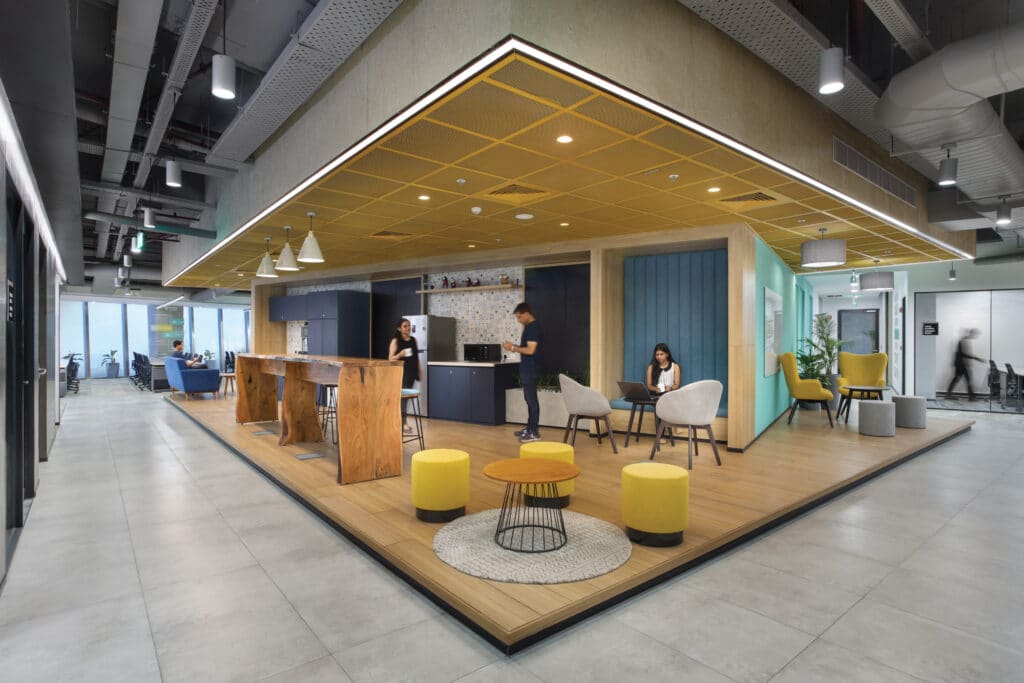
Global Tech Hub Comparison Table
| City | Global Rank | Key Strength | Unicorns |
|---|---|---|---|
| Bengaluru | #15 | AI, SaaS | ~30 |
| London | #3 | Fintech, AI | 100+ |
| Singapore | #4 | Regulation, Fintech | 15 |
| Dubai | Top MENA | Fintech, PropTech | Growing |
| Berlin | Top 20 EU | E-Commerce | Multiple |
| Paris | Tied #13 | Deep Tech, AI | 30+ |
| Stockholm | Top EU | B2B SaaS, Gaming | 10+ |
| Tallinn | #12 | Digital Gov | 5+ |
| Austin | Top 10 US | SaaS, AI | Multiple |
| Toronto-Waterloo | Tied #13 | AI Research | Multiple |
What Makes a City a True Tech Hub?
Five factors separate genuine hubs from aspirants: (1) world-class university research pipelines, (2) accessible early-stage capital, (3) founder-friendly regulation (e-Residency, EntrePass, zero-tax zones), (4) talent density at manageable cost, and (5) at least one visible breakout company that inspires the next generation of local founders.
Conclusion: A Permanent, Multi-Polar Race
The race to become the next Silicon Valley has no single winner — it will produce many. Bengaluru will likely lead Asia in AI software. London will stay the fintech capital. Dubai will dominate MENA. Tallinn will keep punching above its weight. Silicon Valley isn’t disappearing — it’s just no longer the only table in the room.
Frequently Asked Questions (FAQs)
Q: Which city is most likely to become the next Silicon Valley? No single city is close to dethroning Silicon Valley, but London (#3), Singapore (#4), and Bengaluru (fastest riser in Asia) are the strongest all-round alternatives, per Startup Genome.
Q: Why does Silicon Valley still lead in 2026? San Francisco scores 935.3 on StartupBlink’s index — 2.7x New York’s score — thanks to unmatched AI talent density and decades of venture capital concentration.
Q: Is Dubai good for tech startups? Yes — 0% corporate tax in free zones, full foreign ownership, and incorporation in as little as two weeks make it one of the world’s most founder-friendly cities.
Q: Why is tiny Tallinn ranked so highly? Estonia’s e-Residency programme and world-leading digital government infrastructure have produced Skype, Wise, and Bolt from a population of just 1.3 million.
Q: Best city for Indian founders going global? Singapore, due to proximity, a large NRI community, and English-language legal systems — followed closely by Dubai for fintech and e-commerce founders targeting MENA.
This post contains informational links only. No sponsored content included. Data sourced from Startup Genome, StartupBlink, Multipolitan, and Dealroom.
[← Open Source vs Closed AI Models] ·
[← How Indian Startups Are Winning Global Markets] ·
[← The Rise of Solo Founders in 2026]
About The Author





2 thoughts on “The Next Silicon Valley: 10 Cities Around the World Competing to Be the Global Tech Hub in 2026”