Discover the latest Remote Work Salary Trends in 2026, including global pay shifts, in-demand skills, and future predictions to boost your income.

The world of work has undergone a seismic shift, and the reverberations are still being felt. As we look ahead to 2026, the question of how compensation will adapt to the increasingly prevalent remote and hybrid work models is paramount. Gone are the days when salary was solely tied to a physical office location. Today, companies are grappling with how to attract and retain top talent in a globalized, digitally connected marketplace, all while navigating the complexities of location-based pay, cost-of-living adjustments, and the ever-growing demand for specialized skills. A staggering 77% of remote employees report being more productive when working from home, a statistic that underscores the value proposition of remote work for both employees and employers. This productivity boost, however, doesn’t automatically translate into a straightforward salary increase for everyone. The compensation landscape in 2026 is shaping up to be a nuanced interplay of factors, moving beyond traditional geographical benchmarks.
The initial scramble to adopt remote work during the pandemic forced many companies to make quick decisions about compensation. Now, with remote and hybrid models becoming more entrenched, organizations are refining their strategies. This evolution is driven by several key forces: the desire to remain competitive in a tight labor market, the need for pay equity, and the ongoing technological advancements that facilitate global collaboration. Understanding these trends is crucial for both employees seeking fair compensation and employers aiming to build effective, motivated teams. We are witnessing a fundamental re-evaluation of what constitutes fair pay in an era where physical proximity to a headquarters is no longer the primary determinant of an employee’s contribution. This shift is profoundly impacting how companies approach salary negotiations, benefits packages, and overall employee value.
The Shifting Tides of Location-Based Pay
For decades, salary bands were largely dictated by geographic location. A software engineer in San Francisco would command a significantly higher salary than their counterpart in a smaller, lower-cost-of-living city. This model, while seemingly logical, is being challenged in the context of remote work. As companies embrace distributed teams, the rationale for paying employees differently based solely on their zip code becomes less clear, especially when those employees are performing the same job functions and delivering the same results.
The Case for De-Location
Many forward-thinking companies are beginning to move away from strict location-based pay. The argument is simple: if a remote employee in a low-cost-of-living area can produce the same quality and quantity of work as an employee in a high-cost-of-living area, why should their compensation differ? This approach, often referred to as “de-location” or “location-agnostic pay,” aims to standardize salaries for similar roles across the organization, regardless of where the employee resides.
Proponents of this model argue that it fosters a sense of fairness and equity, reducing potential resentment among employees who might feel penalized for choosing to live in more affordable areas. It also simplifies compensation structures for companies operating in multiple regions or even globally. Furthermore, it opens up access to a wider talent pool, allowing companies to hire the best person for the job, irrespective of their geographical constraints. This aligns with the broader trend of Skill Based Hiring 2025 How Skills Are Replacing Degrees In The Future Of Work, where demonstrable abilities take precedence over traditional markers like location or academic credentials.
The Persistence of Location Adjustments
Despite the growing momentum towards de-location, many companies are still hesitant to abandon location-based pay entirely. The primary concern is often the significant increase in labor costs that could result from paying everyone at the top of the salary band, typically set by the highest-cost-of-living areas. For instance, a company headquartered in New York City might find it financially unsustainable to pay all its remote employees the same salary as those based in Manhattan, especially if a large portion of its workforce resides in much more affordable regions.
Instead, many are adopting a hybrid approach. This might involve establishing a few broad pay zones, perhaps based on major metropolitan areas versus rural areas, or using a tiered system that adjusts salaries based on regional cost-of-living indices. Some companies use tools and data from providers like CompAnalyst or Salary.com to set these adjustments. This approach attempts to balance the desire for competitive compensation and talent acquisition with fiscal responsibility. The debate between pure de-location and location-adjusted pay is likely to continue through 2026, with companies experimenting and iterating on their compensation strategies.
The Rise of Skills-Based Compensation
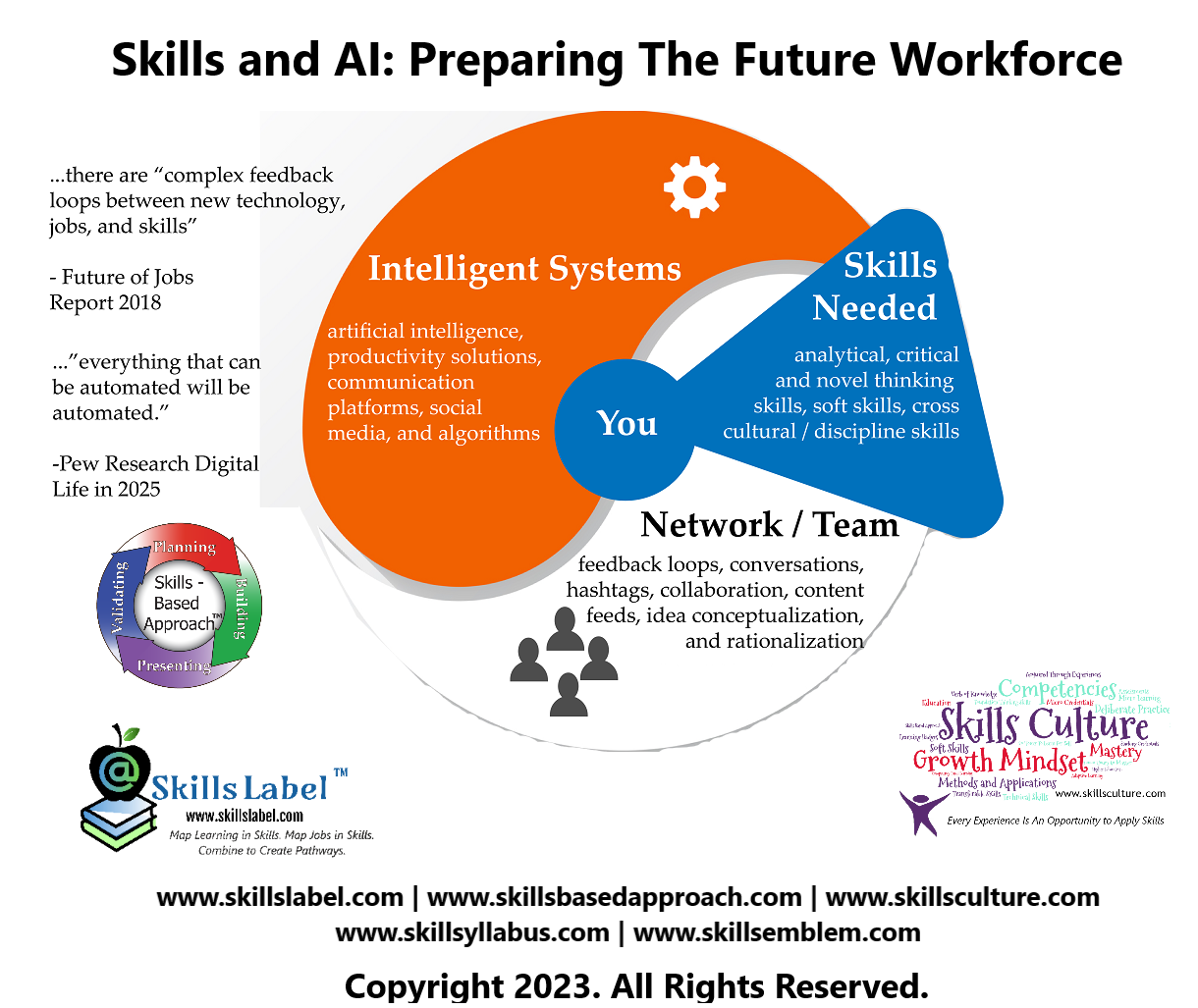
Beyond location, the skills an employee possesses are becoming an increasingly critical factor in determining their salary. The rapid pace of technological change means that certain skills are in high demand, commanding premium compensation. This is particularly evident in fields like artificial intelligence, data science, cybersecurity, and cloud computing. As highlighted in the Ai Skills Report 2025 A 1500 Word Deep Dive Into The Skills Shaping The Global Workforce, proficiency in AI-related technologies is a significant driver of earning potential.
Valuing Niche Expertise
Companies are recognizing that specialized skills are not interchangeable. An employee with deep expertise in machine learning algorithms might be worth significantly more to a company than a generalist software developer, even if they have similar years of experience. This has led to a greater emphasis on skills-based compensation models, where salaries are directly tied to the acquisition and application of in-demand competencies.
This trend is supported by the growing movement towards skill-based hiring, where organizations prioritize demonstrable skills over traditional qualifications like degrees or years of experience. Companies are investing in continuous learning and development programs to upskill their existing workforce and are willing to pay top dollar for individuals who can bring cutting-edge skills to the table. This focus on skills is also influencing how performance is evaluated and how career progression is structured, further solidifying the link between expertise and earning potential.
The Impact of AI on Skills Valuation
Artificial intelligence is not only creating new skills but also changing how existing skills are valued. AI can automate routine tasks, freeing up human workers to focus on more complex, creative, and strategic work. This means that skills such as critical thinking, problem-solving, emotional intelligence, and collaboration are becoming even more valuable. Companies are increasingly looking for employees who can work alongside AI, leveraging its capabilities to enhance their own productivity and innovation.
The Global Remote Work Ai How Artificial Intelligence Is Redefining Work Without Borders landscape illustrates this perfectly. As AI tools become more sophisticated, the human skills that complement them will command higher salaries. For example, an AI ethicist, a role that has emerged due to the widespread adoption of AI, is a highly sought-after and well-compensated position. Similarly, individuals skilled in prompt engineering, the art of crafting effective instructions for AI models, are seeing their value skyrocket. The ability to adapt and acquire new skills in response to technological advancements will be a key determinant of career success and earning potential in 2026.
Inflation and the Cost of Living
Beyond the structural shifts in pay models, macroeconomic factors like inflation continue to play a significant role in salary trends. In recent years, many countries have experienced elevated inflation rates, eroding the purchasing power of wages. This has put pressure on companies to increase salaries simply to help employees maintain their standard of living.
Cost-of-Living Adjustments (COLAs)
While some companies are moving towards location-agnostic pay, others are still relying on Cost-of-Living Adjustments (COLAs) to keep salaries competitive within specific regions. COLAs are designed to account for changes in the cost of goods and services. When inflation rises, COLAs typically lead to salary increases to offset the loss of purchasing power.
The challenge for companies is how to implement COLAs fairly in a remote work environment. If a company has employees in multiple countries with vastly different inflation rates, a single global COLA would be impractical. Therefore, many are using localized COLAs, adjusting salaries based on the inflation rates in each employee’s country or region of residence. This adds another layer of complexity to compensation management but is often seen as a necessary step to ensure employees can afford to live comfortably. Reliable data sources for inflation rates, such as those provided by national statistical offices like the U.S. Bureau of Labor Statistics or Eurostat, are crucial for these calculations.
The Inflationary Spiral and Salary Expectations
High inflation can also influence employee salary expectations. When employees see the cost of everything from groceries to housing rising, they are more likely to demand higher base salaries or more frequent raises. This can create an inflationary spiral where rising wages contribute to further price increases.
Companies need to carefully monitor inflation data and adjust their compensation strategies accordingly. This might involve not only adjusting base salaries but also enhancing benefits packages, offering bonuses, or providing stipends for home office expenses. The goal is to ensure that employees feel valued and can maintain their financial well-being, even in an inflationary environment. The ongoing discussions around Big Tech Earnings Q3 2025 Based On The Latest Reported Results Analyst Commentary And Market Trends often reflect how major companies are navigating these economic pressures, including their compensation strategies in response to market conditions.
The Great Re-Evaluation of Benefits
Compensation in 2026 is not just about base salary. The definition of “total compensation” is expanding to include a broader range of benefits, especially those that cater to the needs of a remote workforce.
Home Office Stipends and Wellness Programs
As remote work becomes the norm, companies are increasingly offering stipends to help employees set up comfortable and productive home offices. These stipends can cover costs for furniture, equipment, and internet services. Beyond the physical workspace, there’s a growing emphasis on employee well-being. This includes mental health support, flexible work hours, and programs that encourage work-life balance. Companies recognize that supporting employee well-being is crucial for long-term productivity and retention, especially when employees are working remotely and the lines between work and personal life can blur.
Professional Development and Upskilling
In a rapidly evolving job market, continuous learning is no longer a luxury but a necessity. Forward-thinking companies are investing heavily in professional development and upskilling opportunities for their employees. This can include access to online courses, workshops, conferences, and tuition reimbursement programs. By supporting employee growth, companies not only enhance their own capabilities but also demonstrate a commitment to their workforce’s long-term career prospects. This directly ties into the idea of Future Tech Trends 2025 2030 15 Game Changing Innovations Shaping The Next Decade, where staying ahead of the curve requires constant learning.
Flexible Work Arrangements as a Benefit
Perhaps one of the most significant “benefits” of remote work is the flexibility it offers. The ability to set one’s own schedule, avoid long commutes, and better integrate work with personal life is highly valued by employees. Companies that offer genuine flexibility, rather than just a nominal remote option, are finding it a powerful tool for attracting and retaining talent. This flexibility itself can be considered a form of compensation, as it contributes significantly to employee satisfaction and overall quality of life. The Future Of Work is undeniably intertwined with the concept of flexible working arrangements.
Navigating the Global Talent Market
The rise of remote work has effectively dissolved geographical barriers for many roles, opening up a global talent market. This presents both opportunities and challenges for compensation strategies.
Access to Global Talent Pools
Companies are no longer limited to hiring talent within a commutable distance of their offices. They can now recruit the best individuals from anywhere in the world. This access to a diverse and potentially more skilled talent pool can be a significant competitive advantage. However, it also means competing with companies globally for talent, which can drive up salary expectations.
International Compensation Complexities
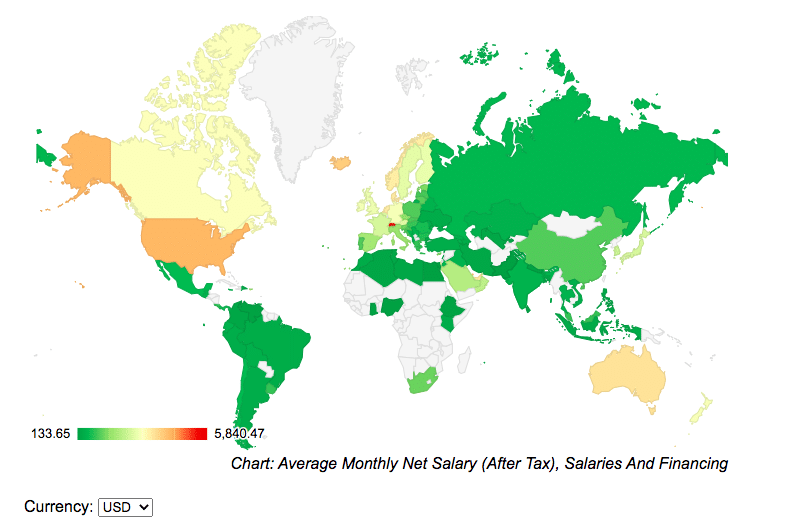
Hiring employees in different countries introduces a host of complexities related to compensation. Companies must navigate varying labor laws, tax regulations, social security contributions, and currency exchange rates. This requires robust HR and payroll systems capable of handling international compliance. For example, offering a competitive salary in USD might be significantly different in terms of local purchasing power when converted to Euros or Indian Rupees. Companies need to be adept at understanding these nuances to offer truly competitive and fair compensation packages.
The Role of Globalization and Technology
Technologies that facilitate seamless remote collaboration, such as advanced project management tools, video conferencing platforms, and cloud-based software, are essential enablers of this global talent market. The continued innovation in these areas, as discussed in articles like Global Remote Work Ai How Artificial Intelligence Is Redefining Work Without Borders, will only further accelerate the trend towards globally distributed teams and, consequently, more complex international compensation models. The funding surge in AI companies, as seen in the example of How Ricursive Intelligence Raised 335m At A 4b Valuation In 4 Months Inside The Ai Funding Surge, also indicates a massive investment in technologies that underpin these future work trends.
The Future of Salary Negotiations
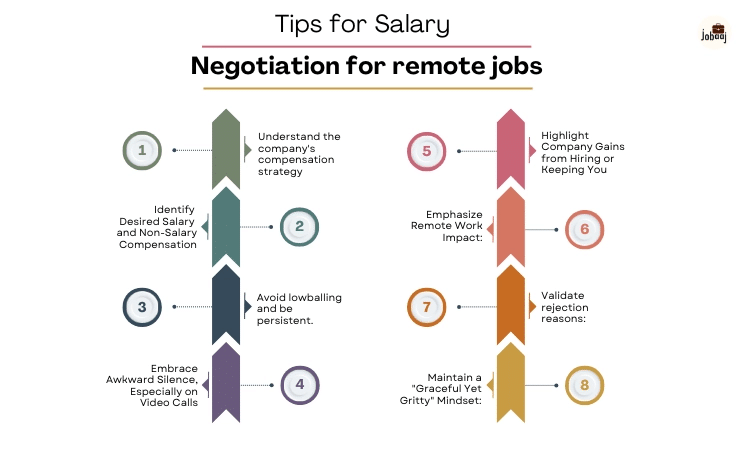
As compensation models evolve, so too will the dynamics of salary negotiations. In 2026, negotiations will likely be more data-driven and focused on a broader set of factors beyond just base salary.
Data-Driven Negotiations
With the proliferation of salary data available online, both employees and employers have access to more information than ever before. Employees can research average salaries for their roles, skills, and locations. Employers, in turn, use compensation benchmarking tools to ensure their offers are competitive. This increased transparency can lead to more informed and potentially more efficient negotiations. However, it also means that employees need to be well-prepared, understanding not just their market value but also the company’s compensation philosophy.
Beyond Base Salary: Total Compensation Focus
Negotiations will increasingly focus on the total compensation package. While base salary remains important, employees will also be negotiating for benefits, bonuses, stock options, flexible work arrangements, and professional development opportunities. A holistic approach to compensation will be key, allowing both parties to find mutually agreeable terms.
The Importance of Continuous Dialogue
In a dynamic work environment, salary discussions should not be confined to annual reviews. Companies that foster a culture of continuous dialogue about compensation and career progression will be better positioned to retain their top talent. This involves regular check-ins, performance feedback, and open conversations about an employee’s evolving skills and career aspirations. This proactive approach can help address potential compensation gaps before they become a major issue. For more insights into the broader landscape, exploring resources like skillviax.com/blog-2/ can offer additional perspectives on workplace trends.
Conclusion: Adapting to the New Compensation Reality
The landscape of remote work salaries in 2026 is characterized by a dynamic interplay of location, skills, economic factors, and evolving employee expectations. Companies are moving beyond traditional, location-centric pay models, embracing more nuanced approaches that value specialized skills and offer comprehensive benefits packages. The rise of location-agnostic pay, the increasing importance of skills-based compensation, and the ongoing impact of inflation are reshaping how employees are compensated.
For employees, this means understanding their market value based on skills and contributions, not just their geographic location. It also involves negotiating for a total compensation package that includes benefits and flexibility. For employers, success in 2026 will depend on their ability to adapt their compensation strategies to attract and retain a diverse, global, and highly skilled workforce. This requires a commitment to fairness, transparency, and a willingness to invest in their employees’ growth and well-being. The future of work is here, and it demands a future of compensation that is equally innovative and adaptive.
Frequently Asked Questions
What is location-agnostic pay?
Location-agnostic pay is a compensation strategy where companies pay employees the same base salary for a specific role, regardless of where the employee lives. This approach contrasts with traditional location-based pay, where salaries are adjusted based on the cost of living in different geographic areas. The goal is to attract talent globally and ensure pay equity based on the job function rather than location.
How is inflation affecting remote work salaries?
Inflation erodes the purchasing power of wages. In response, companies are increasingly implementing Cost-of-Living Adjustments (COLAs) to help remote employees maintain their standard of living. This often means adjusting salaries based on local inflation rates in each employee’s region, leading to more complex, localized compensation strategies. High inflation can also drive up overall salary expectations as employees seek to keep pace with rising costs.
Will skills become more important than degrees in salary negotiations by 2026?
Yes, the trend towards prioritizing skills over traditional degrees is expected to accelerate. By 2026, demonstrable skills, especially in high-demand areas like AI, data science, and cybersecurity, will likely have a more significant impact on salary negotiations than academic credentials alone. Companies are increasingly adopting skill-based hiring and compensation models.
How can companies ensure pay equity in remote work?
Ensuring pay equity in remote work involves several strategies. Companies can adopt location-agnostic pay for similar roles, conduct regular pay audits to identify and address disparities, and establish clear, objective criteria for salary increases based on performance and skills. Transparency in compensation philosophy and processes is also crucial.
What are the biggest challenges in setting remote work salaries?
The biggest challenges include determining fair pay across different cost-of-living areas, navigating international labor laws and tax regulations, managing currency fluctuations, and staying competitive in a global talent market. Balancing fiscal responsibility with the need to attract and retain top talent in a flexible work environment is also a significant hurdle.
How do benefits factor into remote work compensation in 2026?
Benefits are becoming an increasingly important part of the total compensation package for remote workers. This includes home office stipends, robust wellness programs (especially mental health support), flexible work hours, and significant investment in professional development and upskilling opportunities. The flexibility offered by remote work itself is also often considered a key benefit.
About the Author