Startups building AI devices are reshaping hardware in 2025. Explore emerging companies, products, use cases, challenges, and the future of AI-powered devices.
Introduction: Why AI Device Startups Are Booming in 2025
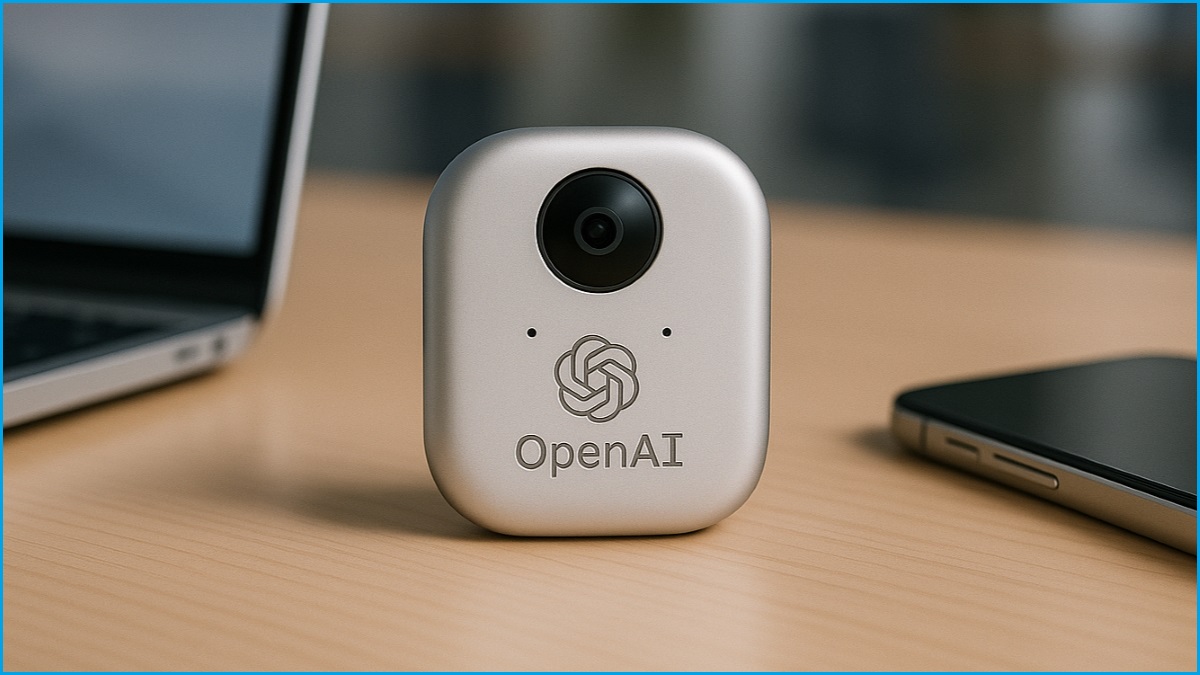
Artificial intelligence is no longer limited to software. In 2025, a new generation of startups building AI devices is redefining how humans interact with technology. From smart wearables and AI-first laptops to health monitors and personal assistants, intelligent hardware is becoming faster, smaller, and more personal.
Unlike traditional tech giants, startups move quickly. They experiment boldly, design niche solutions, and focus on AI-first hardware, where artificial intelligence is not an add-on but the core feature. This shift is creating entirely new product categories and business opportunities.
What Are AI Devices? (Simple Explanation)
AI devices are physical products with built-in artificial intelligence that can:
- Learn from user behavior
- Make decisions locally (on-device AI)
- Adapt over time
- Reduce reliance on cloud computing
Examples include:
- AI wearables
- Smart assistants
- Autonomous robots
- Medical AI devices
👉 In simple terms: AI devices don’t just follow commands—they understand and adapt.
Why Startups Are Leading AI Hardware Innovation
1. AI Chips Are Now Accessible
With the rise of NPUs, edge AI chips, and efficient GPUs, startups can build powerful AI devices without massive infrastructure.
2. On-Device AI Is in Demand
Privacy, speed, and reliability push companies to process AI locally rather than in the cloud—perfect for startup innovation.
3. Niche Problems, Smart Solutions
Startups focus on specific problems big companies overlook, such as:
- AI for mental health
- AI productivity tools
- AI-powered accessibility devices
Types of AI Devices Startups Are Building
1. AI Wearables
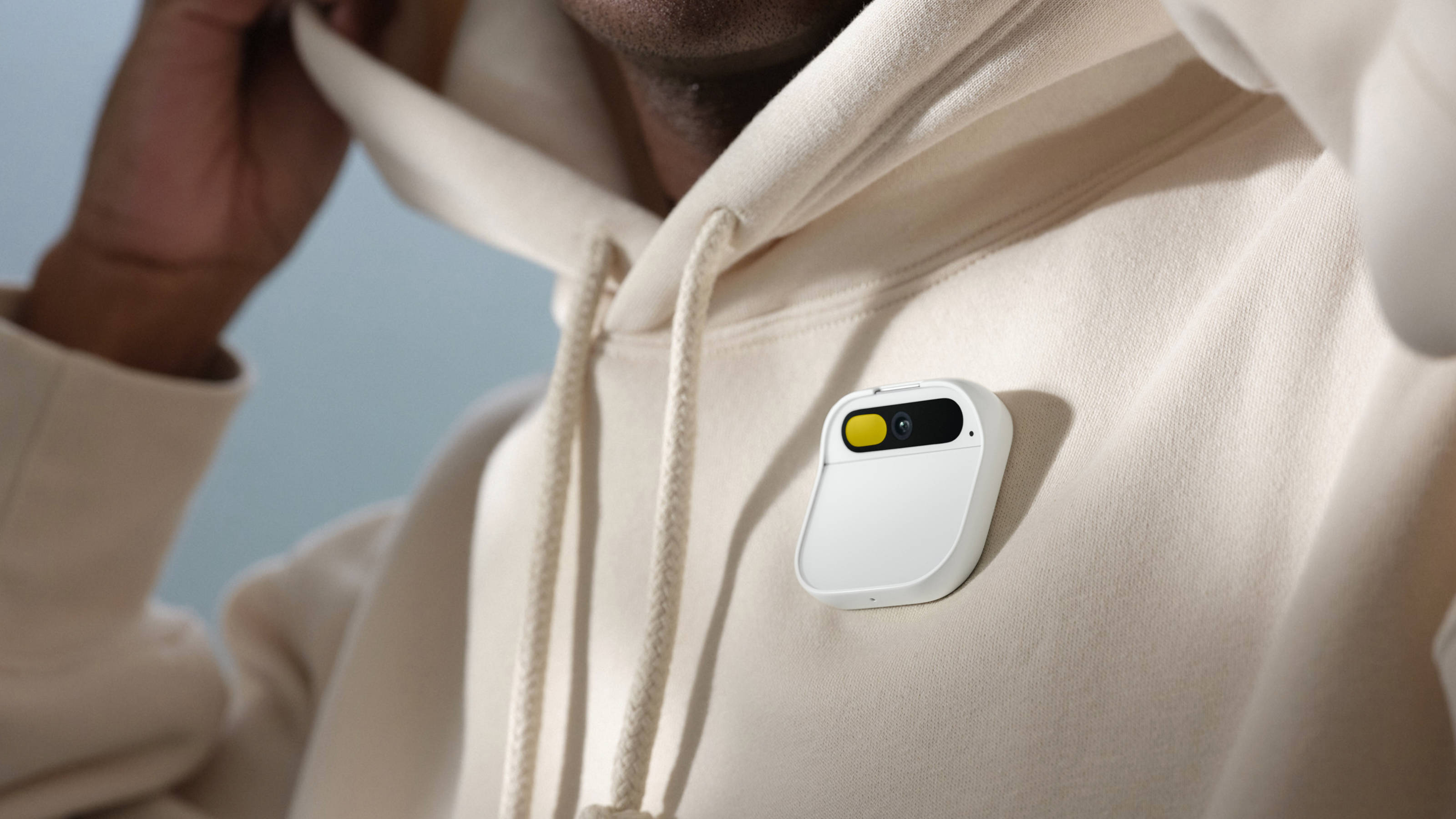
Startups are building smart rings, glasses, and wrist devices that:
- Track health data
- Use AI to detect patterns
- Provide real-time insights
Examples include AI-powered posture monitors and stress-detection wearables.
2. AI Personal Assistants (Hardware-First)
Unlike traditional voice assistants, new AI devices:
- Run local language models
- Understand context deeply
- Offer proactive suggestions
These devices aim to be personal AI companions, not just smart speakers.
3. AI Health & Medical Devices
Healthcare is one of the biggest areas for AI hardware startups:
- Early disease detection
- AI-powered diagnostics
- Continuous patient monitoring
AI devices here improve accuracy while reducing costs.
4. AI Productivity & Work Devices
Some startups are creating AI-first tools for work:
- AI note-taking devices
- Smart meeting assistants
- AI-powered keyboards and pens
These products help professionals save time and focus better.
Notable Startups Building AI Devices (2025)

1. Humane
Known for its AI wearable, Humane focuses on screenless AI interaction, blending voice, gestures, and projection.
2. Rabbit
Rabbit builds AI devices designed to act on behalf of users across apps and services, reducing digital overload.
3. Limitless & Emerging Startups
Many early-stage startups are exploring:
- AI memory devices
- AI-powered translation gadgets
- AI learning companions
These companies are still small—but highly disruptive.
Core Technologies Behind AI Devices
AI Accelerators
- NPUs for on-device inference
- Low-power AI chips
Sensors
- Cameras
- Microphones
- Biometric sensors
Software
- Embedded AI models
- Edge AI frameworks
- Secure operating systems
The real innovation lies in tight hardware–software integration.
Challenges Faced by AI Device Startups
1. Hardware Is Expensive
Prototyping, manufacturing, and supply chains require significant capital.
2. Battery & Power Constraints
AI needs computing power, but devices must stay lightweight and efficient.
3. Trust & Privacy Concerns
Users must trust startups with sensitive data—privacy-by-design is essential.
How Startups Are Solving These Challenges
- Using on-device AI to reduce cloud dependency
- Partnering with chipmakers
- Launching through crowdfunding and pre-orders
- Designing transparent privacy policies
Smart execution matters as much as innovation.
Market Opportunities for AI Device Startups
- Consumer electronics
- Healthcare
- Education
- Smart homes
- Enterprise productivity
As AI models get smaller and more efficient, AI hardware adoption will explode.
How Investors View AI Device Startups
Investors are increasingly interested because:
- AI hardware creates defensible products
- Devices generate recurring data and services
- AI ecosystems lock in users
However, investors expect:
- Clear use cases
- Strong differentiation
- Sustainable manufacturing plans
FAQs: Startups Building AI Devices
1. What makes an AI device different from smart devices?
AI devices learn and adapt, while smart devices mostly follow predefined rules.
2. Are AI device startups risky investments?
Yes, but they offer high reward due to strong differentiation.
3. Do AI devices require internet access?
Many modern AI devices work offline using on-device AI.
4. Which industries benefit most?
Healthcare, productivity, and consumer electronics lead adoption.
5. Are big tech companies competing here?
Yes, but startups innovate faster in niche areas.
6. Will AI devices replace smartphones?
Some may reduce phone dependency, but replacement is unlikely short-term.
Future of AI Devices: What Comes Next?
By the late 2020s, expect:
- Smaller, smarter AI devices
- Personalized AI companions
- Seamless human–AI interaction
- AI devices embedded everywhere
Startups will continue to drive this future by rethinking hardware from an AI-first perspective.
Conclusion: Startups Are Shaping the AI Hardware Revolution
Startups building AI devices are pushing technology beyond screens and apps into the physical world. While challenges remain, their creativity, speed, and focus on real problems make them powerful drivers of innovation.
In 2025, the most exciting AI breakthroughs aren’t just in software—they’re in devices you can wear, hold, and trust.
About the Author