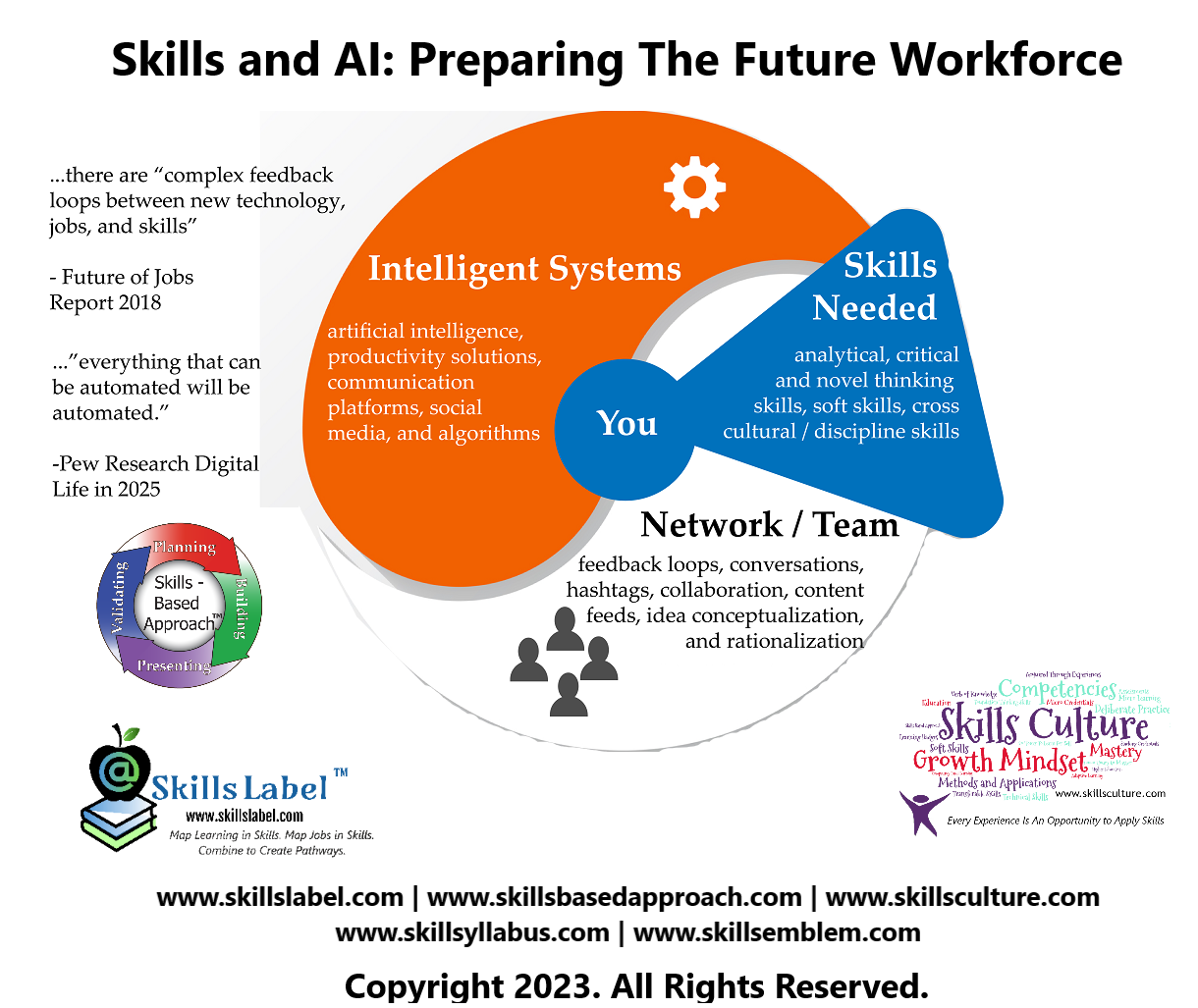
Skill-Based Hiring 2025 explained. Learn why companies are shifting from degrees to skills, how it works, benefits, challenges, and what it means for jobs.
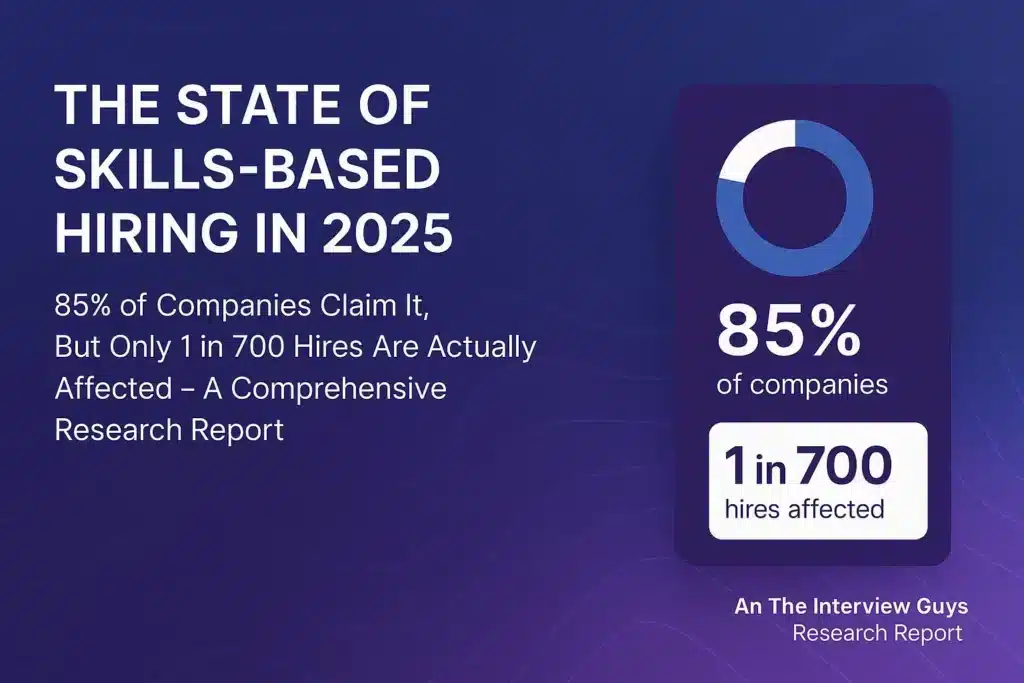
Introduction: Why Skill-Based Hiring Is Taking Over in 2025
The hiring world is changing fast. In 2025, companies are no longer asking only “Where did you study?”—they’re asking “What can you actually do?” This shift is known as Skill-Based Hiring, and it’s reshaping recruitment across industries.
Driven by talent shortages, rapid technology changes, and the rise of AI tools, Skill-Based Hiring 2025 focuses on real abilities, practical experience, and proven competencies rather than formal degrees or job titles. For employers, it means better hires. For workers, it opens doors that were once closed.
What Is Skill-Based Hiring? (Simple Explanation)
Skill-based hiring is a recruitment approach where employers evaluate candidates based on:
- Technical skills
- Soft skills
- Problem-solving ability
- Real-world performance
Instead of filtering candidates by degrees, pedigree, or years of experience, companies assess what skills a person has and how well they can apply them.
👉 Simple analogy:
Traditional hiring = judging a book by its cover
Skill-based hiring = reading the book itself
Why Skill-Based Hiring Is Growing So Fast in 2025
1. Degree Requirements Are Becoming Less Relevant
Many jobs—especially in tech, marketing, data, and design—change faster than university curriculums. Employers now value current, job-ready skills more than outdated credentials.
2. Talent Shortages Force Smarter Hiring
Companies can’t afford to ignore capable candidates just because they lack a formal degree. Skill-based hiring expands the talent pool instantly.
3. AI Makes Skills Assessment Easier
AI-powered hiring platforms can now:
- Evaluate coding tasks
- Analyze work samples
- Score soft skills through simulations
This makes skill-first hiring scalable and fairer.
How Skill-Based Hiring Works in Practice
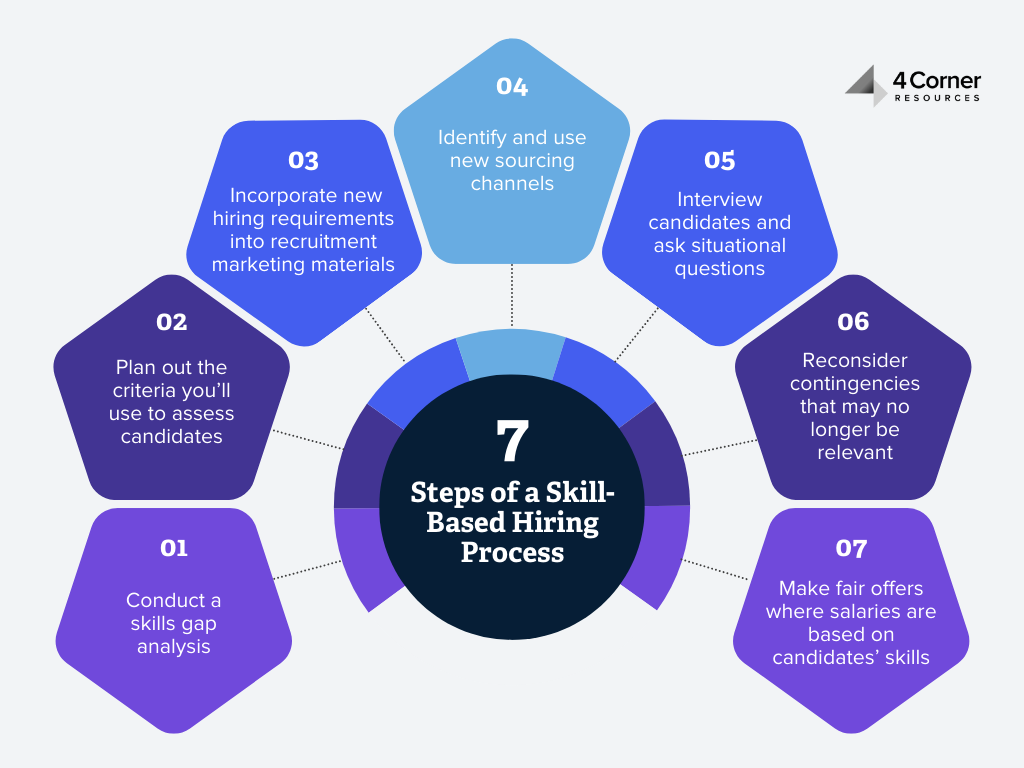
Step 1: Skills-Focused Job Descriptions
Roles are defined by required skills, not generic experience:
- “Python data analysis” instead of “5 years experience”
- “Client communication” instead of “MBA preferred”
Step 2: Skills Assessments
Candidates complete:
- Practical tests
- Simulations
- Portfolio reviews
- Real-world scenarios
Step 3: Structured Interviews
Interviews focus on:
- How candidates apply skills
- Past problem-solving examples
- Learning ability
Top Skills Employers Are Hiring for in 2025
Hard Skills
- Data analysis
- AI & automation tools
- Cloud computing
- Cybersecurity
- Digital marketing
Soft Skills
- Critical thinking
- Communication
- Adaptability
- Collaboration
- Emotional intelligence
In Skill-Based Hiring 2025, soft skills matter just as much as technical ones.
Benefits of Skill-Based Hiring
For Employers
- 🎯 Better job performance
- 📉 Lower turnover
- 🌍 More diverse talent pools
- ⚡ Faster hiring cycles
For Candidates
- 🚪 More opportunities without degrees
- 🧠 Skills matter more than background
- 🔁 Easier career transitions
- 📈 Clear paths for upskilling
This approach creates a win–win hiring ecosystem.
Skill-Based Hiring vs Traditional Hiring
| Aspect | Traditional Hiring | Skill-Based Hiring |
|---|---|---|
| Focus | Degrees, titles | Skills, ability |
| Bias Risk | Higher | Lower |
| Talent Pool | Limited | Expanded |
| Performance Prediction | Moderate | Strong |
| Adaptability | Low | High |
Role of AI in Skill-Based Hiring 2025

AI plays a major role by:
- Matching candidates to roles based on skills
- Reducing unconscious bias
- Predicting job performance
- Tracking skill gaps over time
AI doesn’t replace recruiters—it supports better decision-making.
Industries Leading Skill-Based Hiring
- Technology & IT
- Healthcare
- Finance & FinTech
- Manufacturing & Robotics
- Marketing & Creative Roles
Even government and education sectors are adopting skills-first approaches.
Challenges of Skill-Based Hiring
Despite its benefits, challenges remain:
1. Defining Skills Clearly
Some roles struggle to define measurable skills.
2. Assessing Soft Skills
Not all soft skills are easy to test objectively.
3. Change Resistance
Some organizations still rely on traditional credentials.
These challenges are being addressed through better tools, AI assessments, and standardized frameworks.
How Job Seekers Can Prepare for Skill-Based Hiring
Build Proof, Not Just Resumes
- Portfolios
- GitHub projects
- Case studies
Upskill Continuously
- Online courses
- Certifications
- Hands-on practice
Learn to Demonstrate Skills
Explain how you solve problems—not just what you know.
FAQs: Skill-Based Hiring 2025
1. Is skill-based hiring replacing degrees completely?
No, but degrees are becoming optional for many roles.
2. Does skill-based hiring reduce bias?
Yes, when done correctly, it focuses on ability rather than background.
3. What tools support skill-based hiring?
AI assessments, coding tests, simulations, and portfolio reviews.
4. Are soft skills really measurable?
Yes, through structured interviews and situational tests.
5. Which jobs benefit most from skill-based hiring?
Tech, digital, creative, and fast-evolving roles.
6. Will skill-based hiring continue beyond 2025?
Absolutely—it’s becoming the global standard.
Conclusion: The Future Is Skill-First
Skill-Based Hiring 2025 is not a trend—it’s a transformation. As work evolves, skills become the true currency of employability. Companies that hire for skills build stronger teams, and individuals who invest in skills future-proof their careers.
The message is clear:
👉 Degrees may open doors—but skills keep them open.
About the Author