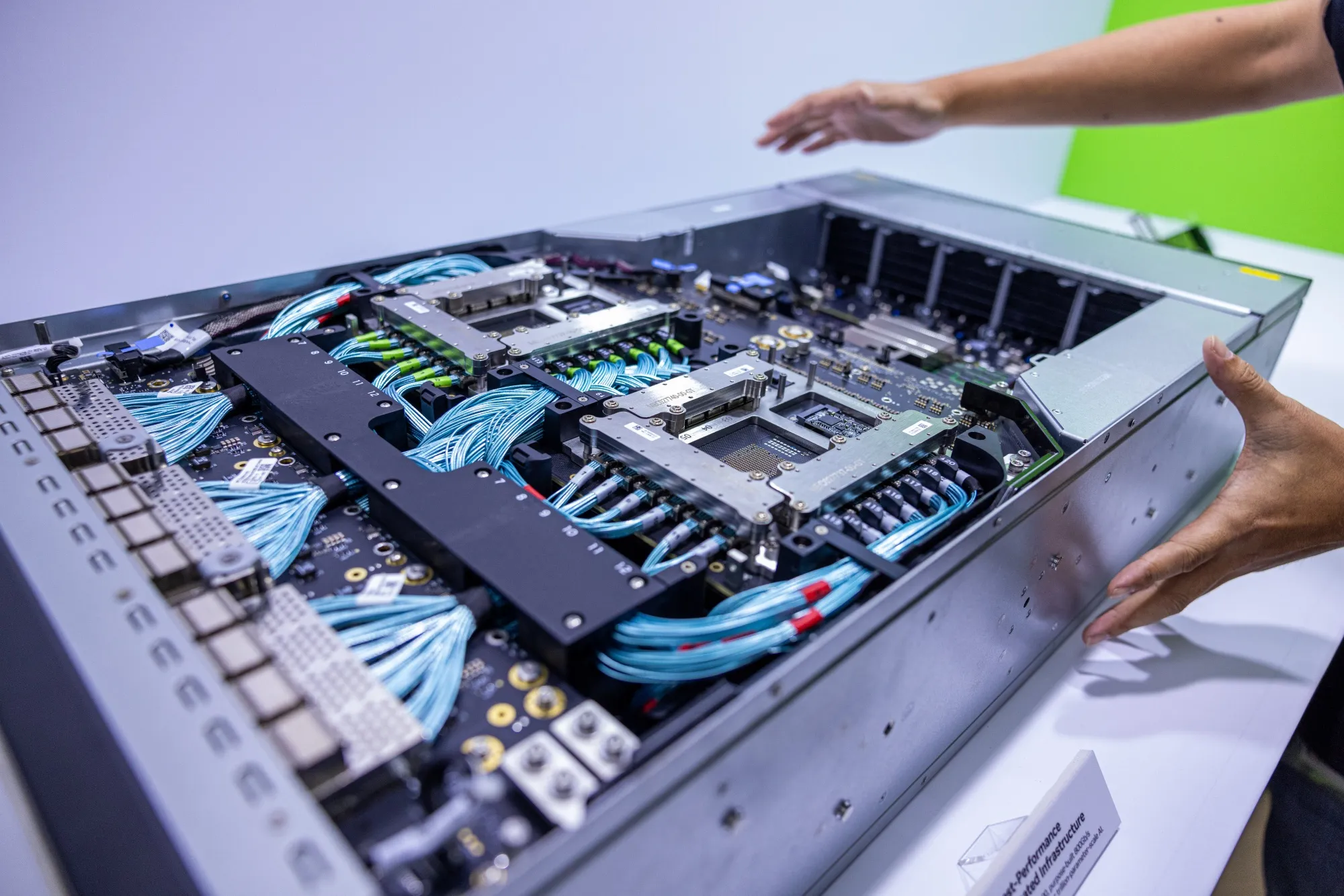
NVIDIA vs AMD 2025 explained. Compare GPUs, AI performance, gaming, data centers, pricing, and future roadmaps to see which brand leads this year.
Introduction: NVIDIA vs AMD in 2025 — Why This Rivalry Matters
The NVIDIA vs AMD rivalry has shaped the graphics and computing industry for decades. In 2025, this competition is more intense than ever. What started as a battle for gamers has expanded into AI, data centers, laptops, creators, and enterprise computing.
NVIDIA dominates headlines with AI acceleration and data-center growth, while AMD continues to challenge with aggressive pricing, efficient architectures, and strong CPU–GPU integration. This article breaks down NVIDIA vs AMD 2025 in simple, practical terms so you can decide which ecosystem is best for you.
Company Overview: NVIDIA vs AMD at a Glance
| Feature | NVIDIA | AMD |
|---|---|---|
| Founded | 1993 | 1969 |
| Core Strength | AI, GPUs, software | CPUs + GPUs, value |
| Market Focus 2025 | AI, data centers, gaming | Gaming, PCs, servers |
| Software Edge | CUDA, DLSS, AI stack | Open standards, ROCm |
GPU Architecture in 2025
NVIDIA Architecture (Blackwell / RTX 5000 Era)
NVIDIA’s 2025 GPUs focus heavily on AI acceleration. Key highlights:
- Advanced Tensor Cores for AI workloads
- Industry-leading ray tracing performance
- Tight hardware–software integration
NVIDIA GPUs are designed not just for graphics, but for AI-first computing.
AMD Architecture (RDNA + CDNA Evolution)
AMD continues to improve efficiency and raw raster performance:
- Strong price-to-performance ratio
- High memory bandwidth designs
- Competitive ray tracing (but still behind NVIDIA)
AMD’s strength lies in balanced performance without vendor lock-in.
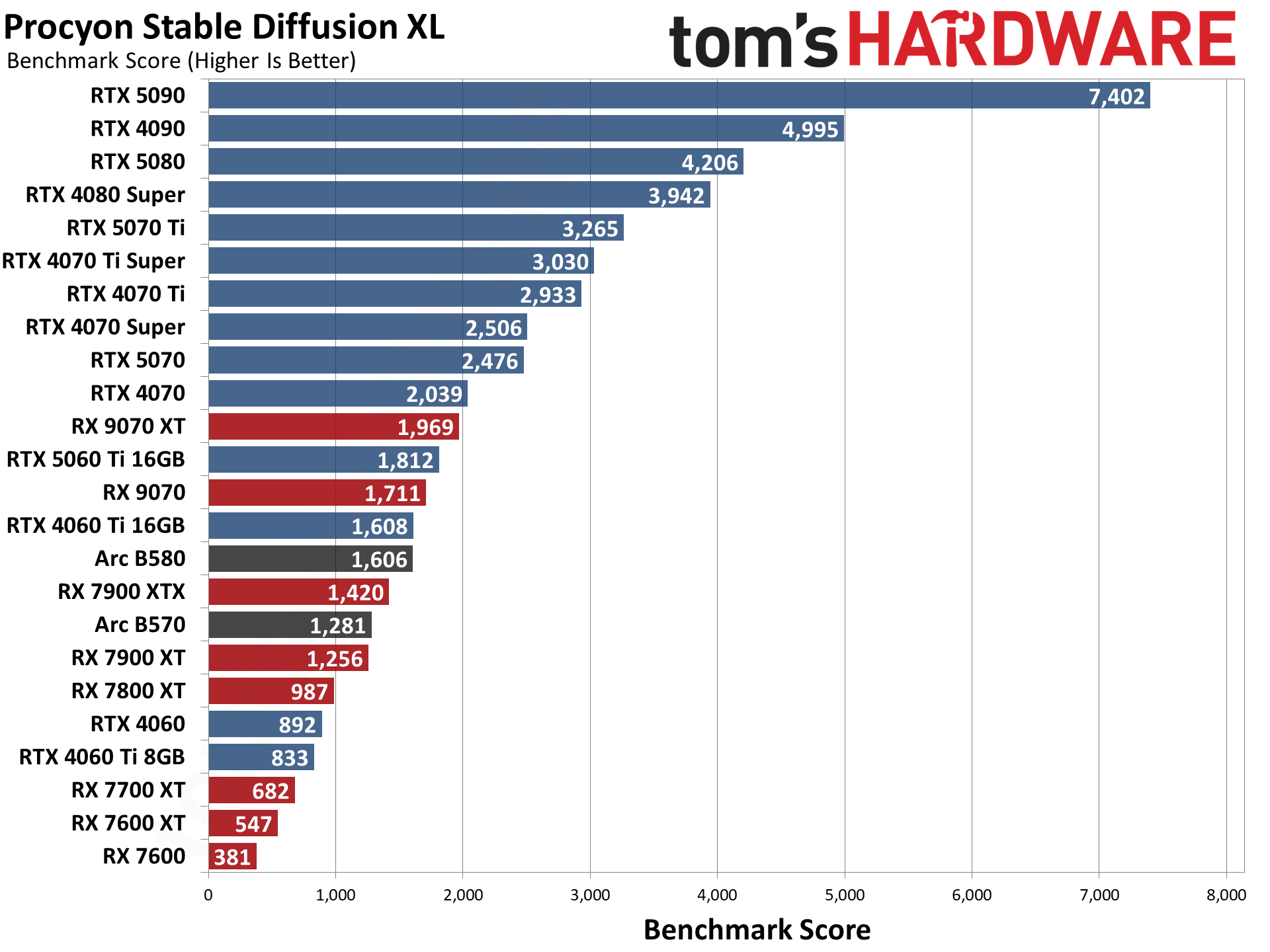
Gaming Performance: NVIDIA vs AMD
NVIDIA Gaming Strengths
- DLSS 3.5+ with AI frame generation
- Superior ray tracing performance
- Strong support in modern game engines
AMD Gaming Strengths
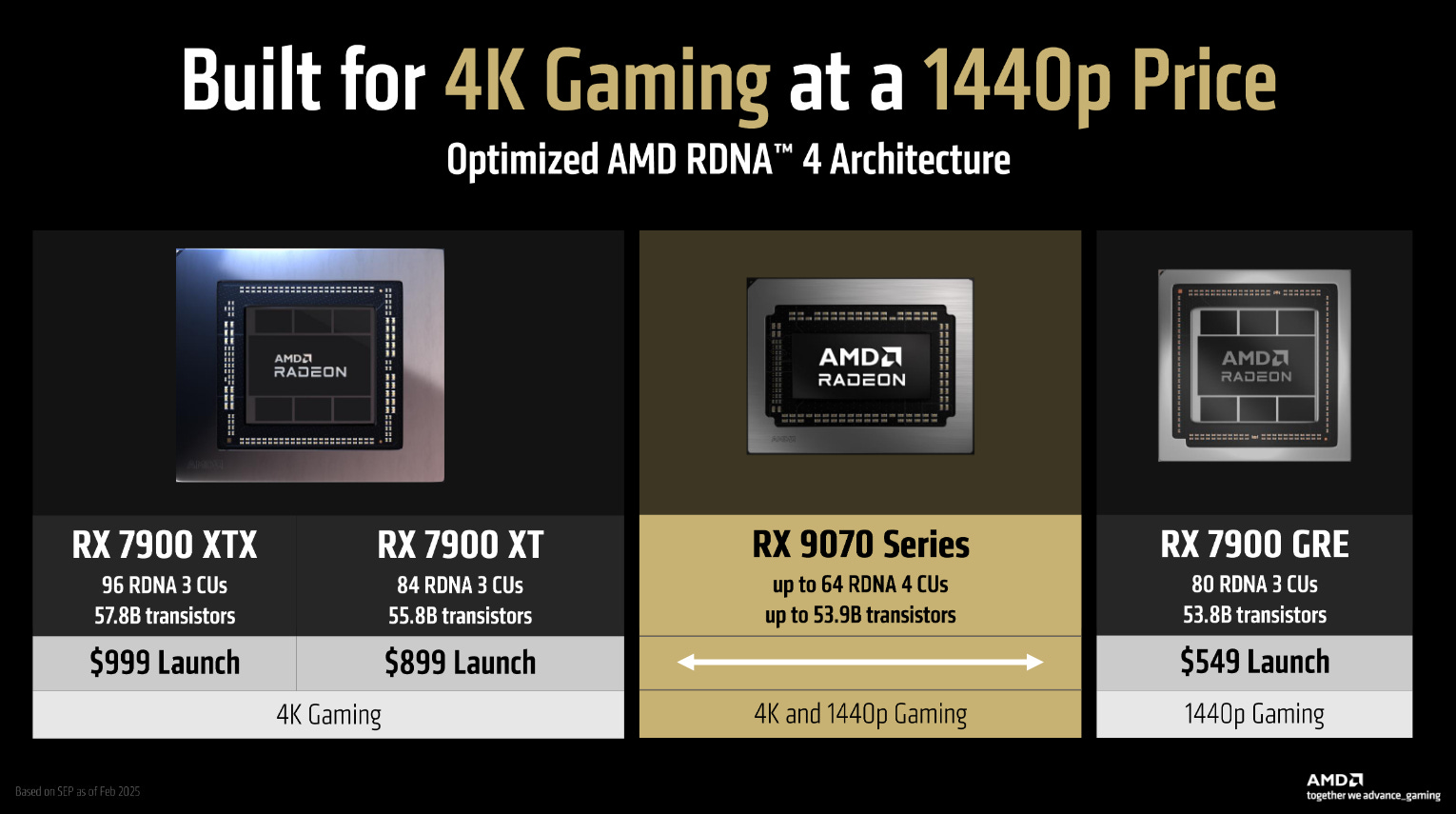
- Excellent rasterized performance
- More affordable GPUs at each tier
- FSR works across brands (open tech)
👉 Verdict for gamers 2025:
- High-end & ray tracing: NVIDIA wins
- Mid-range & value: AMD often wins
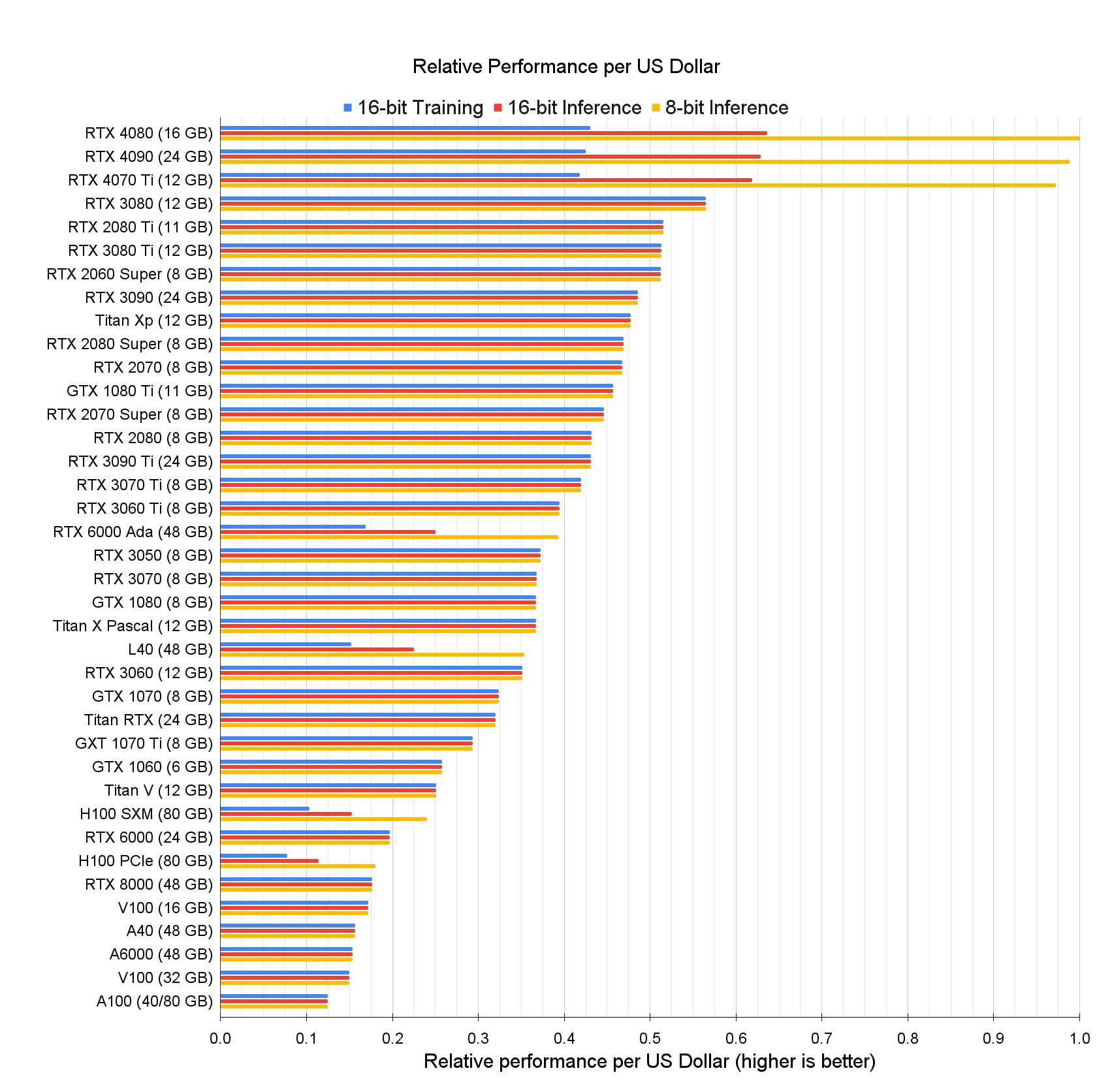
AI & Machine Learning: Clear Divide
NVIDIA: The AI King
NVIDIA is undisputed leader in AI:
- CUDA ecosystem dominance
- Best support for AI frameworks (PyTorch, TensorFlow)
- Data center GPUs like H100 / B100
Most large AI models are trained on NVIDIA hardware.
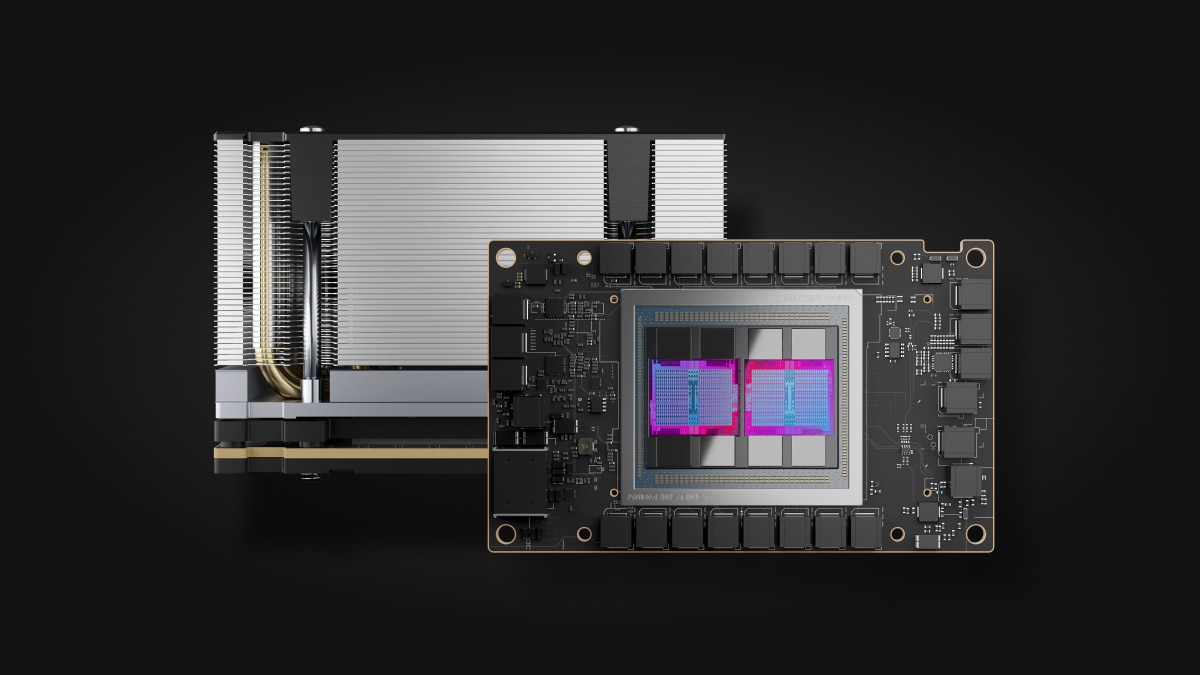
AMD: Catching Up
AMD is investing heavily in AI:
- ROCm software stack (improving fast)
- Competitive AI accelerators
- Strong CPU–GPU pairing with EPYC
However, AMD still lags in software maturity and adoption.
👉 AI Verdict: NVIDIA wins decisively in 2025.
Data Centers & Enterprise Computing
NVIDIA
- Dominates hyperscale AI data centers
- Full-stack AI platforms (hardware + software)
- High margins and enterprise trust
AMD
- Strong EPYC CPUs in servers
- Growing GPU presence
- Better cost efficiency for some workloads
NVIDIA leads AI-heavy data centers, while AMD competes strongly in general-purpose servers.
Laptops & Mobile GPUs

NVIDIA Mobile GPUs
- Strong creator and gaming laptops
- Excellent AI features for video, audio, and graphics
AMD Mobile GPUs
- Better battery efficiency in many cases
- Integrated graphics are industry-leading
- Great for thin-and-light laptops
👉 Laptop Verdict:
- Gaming & creators: NVIDIA
- Battery life & value: AMD
Software Ecosystem: Closed vs Open
NVIDIA Software
- CUDA (powerful but proprietary)
- DLSS, Reflex, Broadcast AI
- Strong developer support
AMD Software
- Open standards (FSR, ROCm)
- Better cross-platform compatibility
- Less lock-in
NVIDIA’s ecosystem is more powerful, AMD’s is more open and flexible.
Pricing & Value in 2025
AMD continues to pressure NVIDIA on pricing:
- More VRAM at lower prices
- Competitive mid-range cards
- Better value for budget-conscious buyers
NVIDIA charges a premium, justified by:
- AI dominance
- Software features
- Brand reliability
Power Efficiency & Thermals
- NVIDIA: High performance, higher power at top end
- AMD: Generally better efficiency per dollar
Efficiency matters more in laptops and data centers, where AMD often shines.
NVIDIA vs AMD: Who Should You Choose in 2025?
| User Type | Best Choice |
|---|---|
| AI Developers | NVIDIA |
| Hardcore Gamers | NVIDIA |
| Budget Gamers | AMD |
| Content Creators | NVIDIA |
| Business / Servers | AMD (CPU) |
| Open-source Fans | AMD |
FAQs: NVIDIA vs AMD 2025
1. Is NVIDIA better than AMD in 2025?
For AI and high-end GPUs, yes. For value and efficiency, AMD competes strongly.
2. Which is better for gaming?
NVIDIA for ray tracing, AMD for price-to-performance.
3. Who leads AI hardware?
NVIDIA dominates AI training and inference.
4. Is AMD catching up in AI?
Yes, but software maturity still trails NVIDIA.
5. Are AMD GPUs more affordable?
Generally yes, especially in mid-range segments.
6. Which brand is more future-proof?
Depends on use case—AI users benefit more from NVIDIA.
Conclusion: NVIDIA vs AMD 2025 Final Verdict
The NVIDIA vs AMD 2025 battle isn’t about one clear winner—it’s about use case.
- NVIDIA leads in AI, software, and premium performance
- AMD excels in value, efficiency, and open ecosystems
In 2025, NVIDIA is the technology powerhouse driving the AI revolution, while AMD remains the smart, cost-effective challenger pushing innovation forward.
The real winner? Consumers, who now have better choices than ever.
About the Author