Global Remote Work + AI explained. Discover how artificial intelligence is transforming remote jobs, global teams, productivity, hiring, and the future of work in 2025.

Introduction: The New Era of Global Remote Work Powered by AI
Work is no longer tied to offices, cities, or even countries. In 2025, the combination of global remote work and AI has created a truly borderless workforce. Companies hire talent from anywhere, teams collaborate across time zones, and artificial intelligence fills the gaps that distance once created.
AI is not replacing remote workers—it is enabling them. From intelligent scheduling to real-time translation and performance analytics, AI makes global remote work faster, fairer, and more productive than ever before.
How AI Enabled the Rise of Global Remote Work
Remote work existed before AI, but scaling it globally was difficult. AI removed many barriers:
- Language differences
- Time-zone coordination
- Performance visibility
- Hiring and onboarding challenges
With AI-powered tools, organizations now manage distributed teams across continents with the same efficiency as local teams.
AI Tools Powering Global Remote Teams
1. AI-Powered Communication
AI tools now:
- Transcribe meetings in real time
- Translate conversations instantly
- Summarize long discussions
This allows global teams to collaborate without language or accent barriers.
2. Intelligent Scheduling Across Time Zones
AI analyzes calendars, locations, and work habits to:
- Schedule meetings fairly
- Reduce burnout
- Respect local working hours
No more midnight meetings for one team member.
3. AI Project & Productivity Management
AI-powered platforms:
- Track progress automatically
- Identify bottlenecks
- Predict delays before they happen
Managers gain visibility without micromanagement.
Global Hiring & AI-Driven Recruitment

AI has transformed hiring for global remote work:
Skill-Based Global Hiring
AI helps companies:
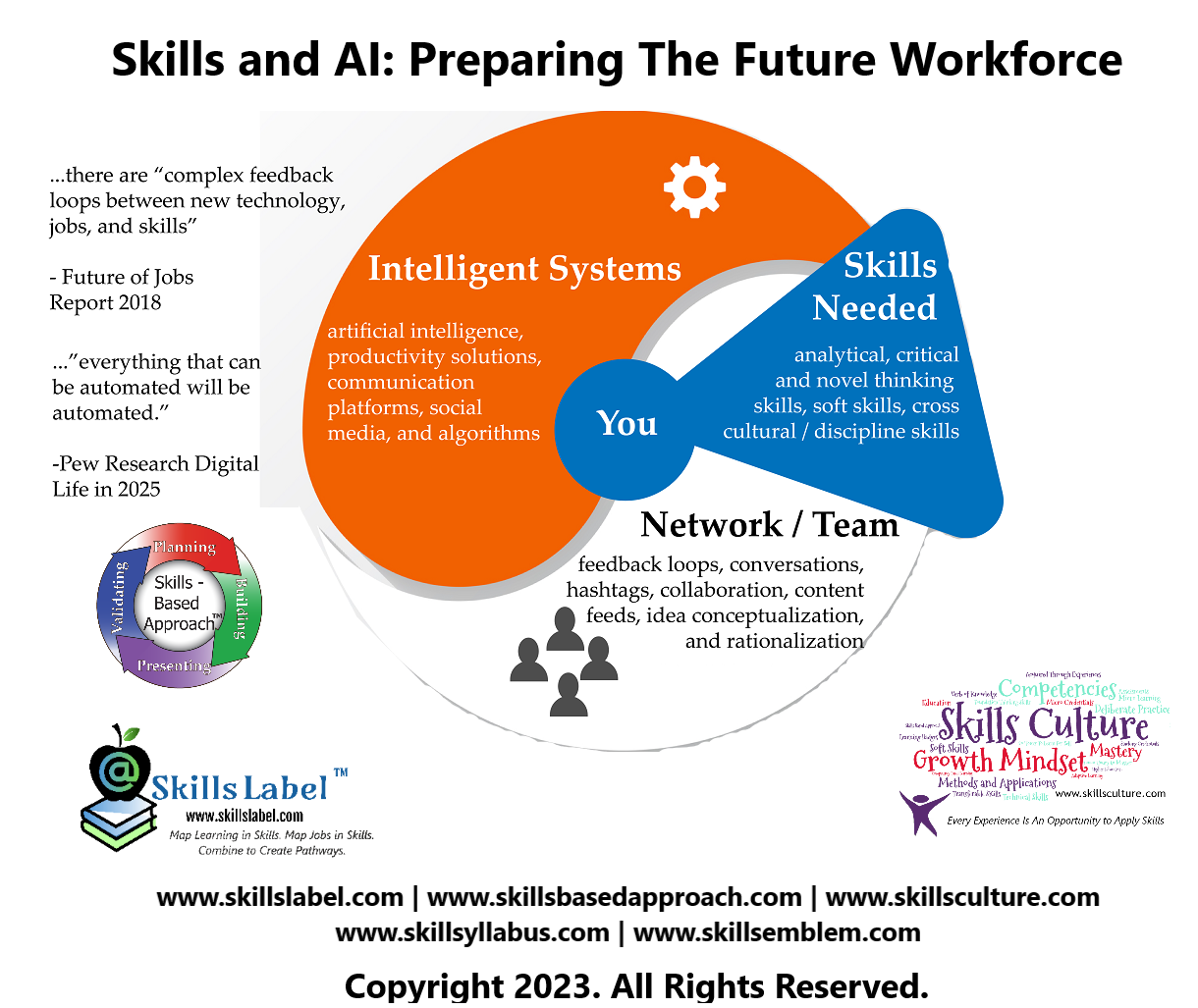
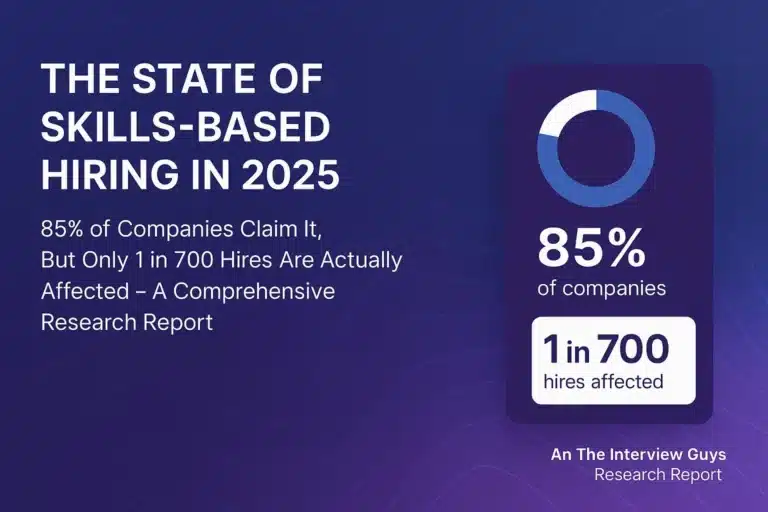
- Match candidates based on skills, not location
- Reduce bias in screening
- Assess real-world performance through simulations
This enables true global talent equality.
Faster Onboarding Across Borders
AI-driven onboarding tools:
- Personalize training
- Automate compliance tasks
- Adapt learning pace to each hire
New employees become productive faster—regardless of location.
AI and Productivity in Remote Work
One of the biggest myths about remote work was reduced productivity. AI has proven the opposite.
How AI Boosts Remote Productivity
- Automates repetitive tasks
- Prioritizes important work
- Reduces context switching
AI acts like a digital assistant, allowing workers to focus on high-value tasks.
Work-Life Balance in Global Remote Work + AI

AI helps protect mental health by:
- Detecting burnout signals
- Encouraging breaks
- Optimizing workloads
When used ethically, AI supports healthier remote work, not surveillance.
Challenges of Global Remote Work (And How AI Helps)
1. Cultural Differences
AI-powered training helps teams:
- Understand cultural norms
- Improve cross-cultural communication
2. Performance Measurement
AI shifts evaluation from hours worked to:
- Output
- Quality
- Impact
This benefits remote workers worldwide.
3. Security & Compliance
AI enhances:
- Cybersecurity monitoring
- Fraud detection
- Access control
Critical for distributed organizations.
Industries Leading Global Remote Work + AI
- Technology & software
- Marketing & creative services
- Customer support
- Education & online learning
- Consulting & finance
Even traditionally office-based industries are adopting hybrid global models.
Future Job Roles Created by Global Remote Work + AI
AI doesn’t just change how we work—it creates new roles:
- Remote AI operations managers
- Global talent strategists
- AI workflow designers
- Virtual team culture specialists
These roles didn’t exist a few years ago.
Ethical Considerations: AI in Remote Work
AI must be used responsibly:
- Transparency in monitoring
- Privacy-first design
- Human oversight in decisions
Trust is essential in remote-first organizations.
FAQs: Global Remote Work + AI
1. Is AI replacing remote workers?
No. AI supports remote workers by automating tasks and improving collaboration.
2. Does AI enable fair global hiring?
Yes, when designed properly, AI reduces location and background bias.
3. Can AI manage remote teams effectively?
AI provides insights, but human leadership remains essential.
4. What skills matter most for remote AI-enabled work?
Digital communication, adaptability, and AI literacy.
5. Is global remote work sustainable long-term?
Yes—AI makes it scalable, secure, and productive.
6. Will offices disappear completely?
No, but they will play a smaller, more flexible role.
The Future of Global Remote Work + AI
By the late 2020s:
- AI will act as a co-worker
- Teams will form globally by skill, not geography
- Work will be outcome-focused, not time-based
AI and remote work together create opportunity without borders.
Conclusion: A Borderless, AI-Enabled Workforce
Global Remote Work + AI is not a trend—it’s the new foundation of work. AI removes friction, connects people across cultures, and unlocks talent worldwide.
The future belongs to organizations and individuals who embrace:
- Flexibility
- Trust
- Intelligent technology
Work is no longer a place—it’s a global, AI-powered experience.
About the Author