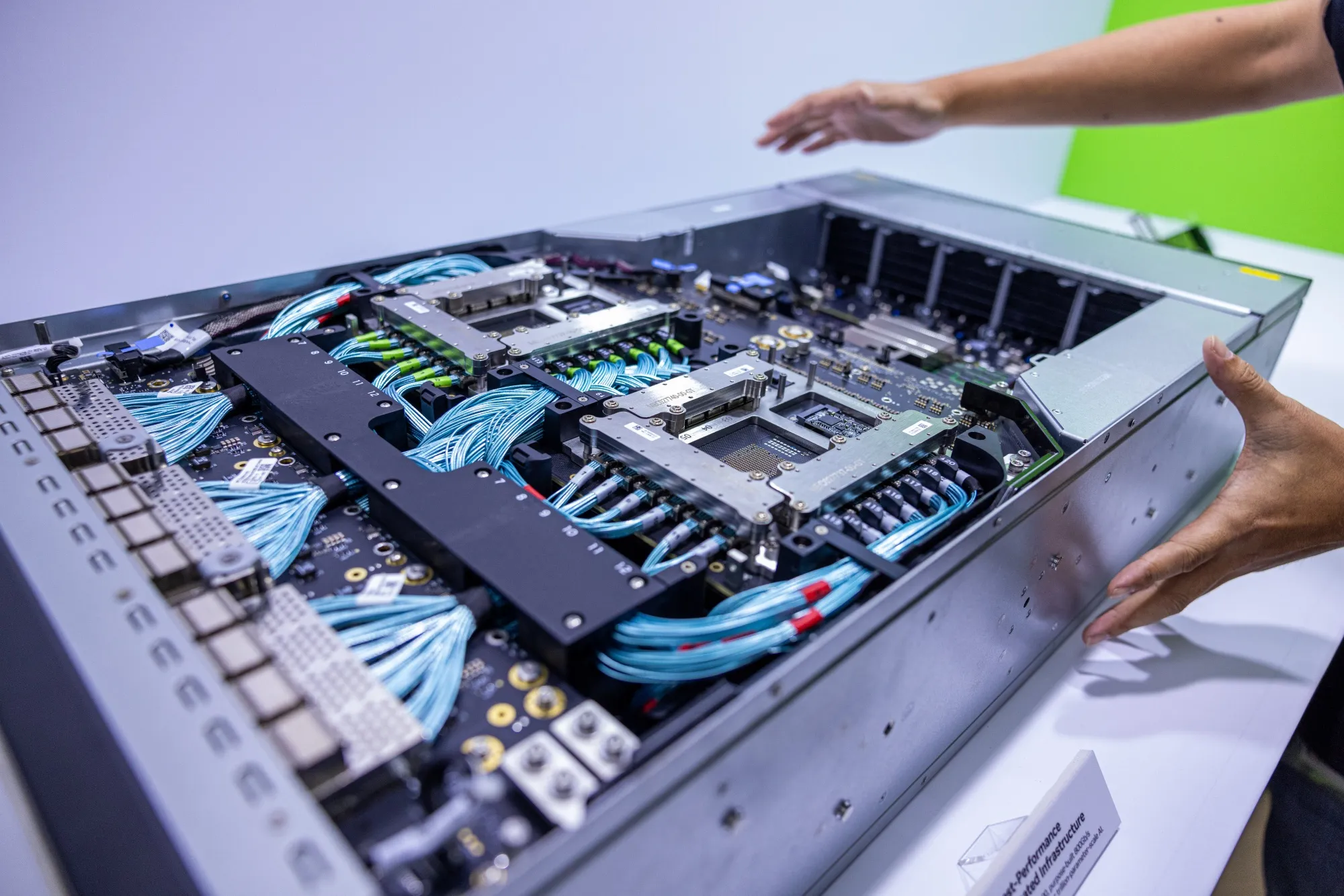
Explore the most important Future Tech Trends 2025–2030, from artificial intelligence and quantum computing to biotechnology, robotics, and the future of work.

Introduction: Why the Next Five Years Matter
Technology is evolving faster than ever. The period defined by Future Tech Trends 2025–2030 will reshape how we work, learn, communicate, and even live longer. Unlike previous tech waves, these innovations will not arrive in isolation—they will converge, amplifying their impact across every industry.
Governments, businesses, and individuals who understand these trends early will be best positioned to adapt and lead.
Artificial Intelligence Becomes Autonomous

AI is moving beyond tools that respond to prompts. Autonomous or agentic AI systems will plan tasks, make decisions, and act with minimal human input.
Agentic AI and Decision-Making Systems
These systems will:
- Manage workflows and operations
- Optimize supply chains in real time
- Act as digital employees across industries
This shift will redefine productivity and management models.
Generative AI Beyond Text and Images
Generative AI will design:
- Software code
- Drugs and materials
- Music, films, and 3D environments
Instead of assisting creativity, AI will become a co-creator, dramatically reducing time from idea to execution.
Quantum Computing Enters Practical Use
Between 2025 and 2030, quantum computing will move from labs into real-world applications such as:
- Drug discovery
- Financial modeling
- Climate simulation
- Advanced cryptography
While not replacing classical computers, quantum systems will solve problems previously considered impossible.
The Rise of Human–AI Collaboration
AI will not replace humans—it will augment them. Professionals will work alongside AI copilots that:
- Analyze data
- Suggest strategies
- Reduce cognitive overload
This collaboration will define high-performing teams.
Robotics and Automation Everywhere
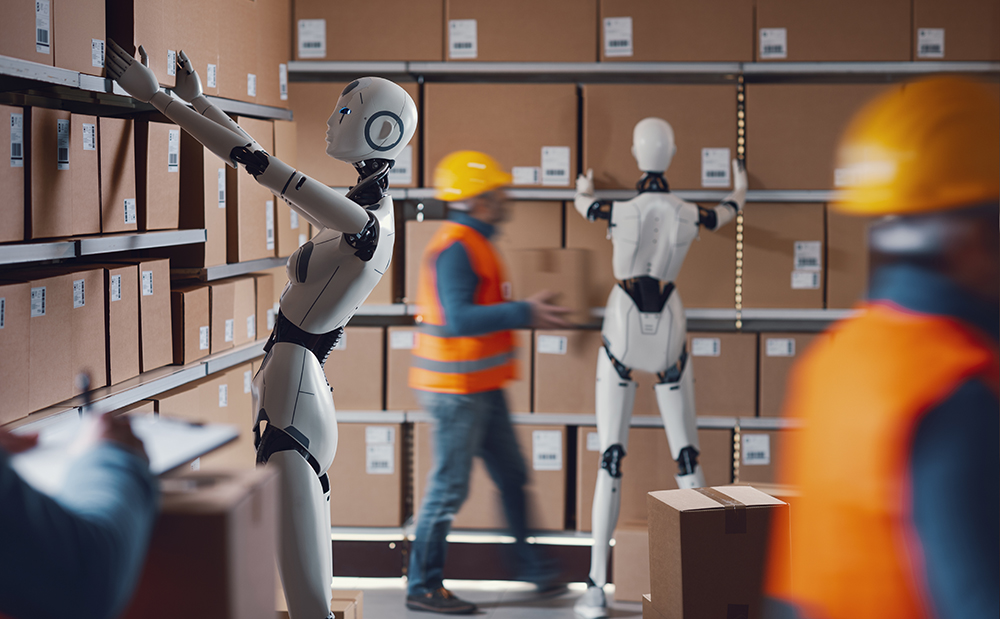
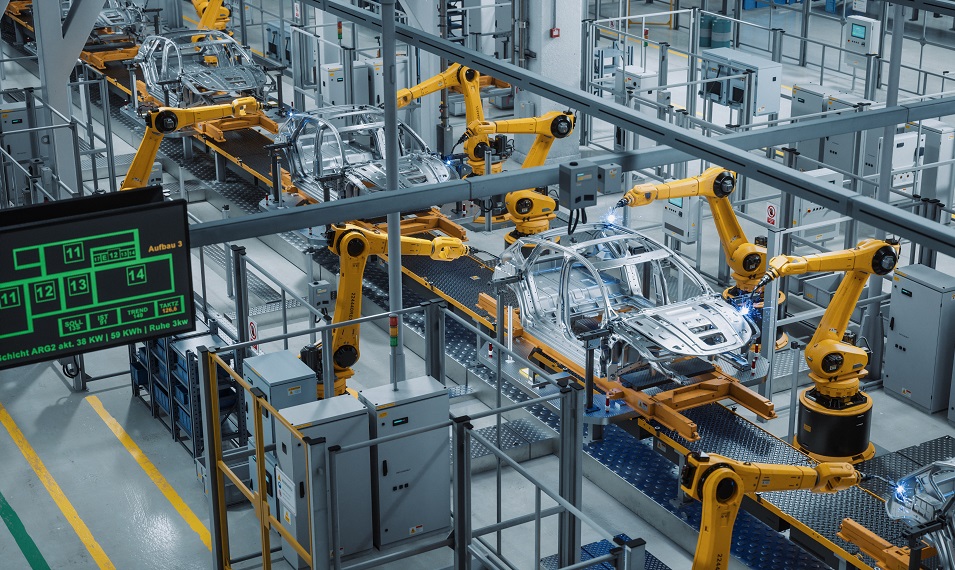
Robots will expand beyond factories into:
- Healthcare
- Agriculture
- Logistics
- Hospitality
Humanoid and service robots will become more common, safer, and socially aware.
Spatial Computing and Extended Reality (XR)
Spatial computing blends digital and physical worlds using:
- Augmented reality (AR)
- Virtual reality (VR)
- Mixed reality (MR)
Uses will include training, remote collaboration, education, and design.
Web3, Blockchain, and Decentralized Systems
Blockchain will move beyond speculation into:
- Digital identity
- Secure data sharing
- Smart contracts
- Decentralized finance (DeFi)
Ownership and trust will increasingly be built into technology itself.
Cybersecurity in the AI Era

As AI-powered attacks grow, cybersecurity will rely on:
- AI-driven threat detection
- Zero-trust architectures
- Post-quantum cryptography
Security will become proactive instead of reactive.
Green Tech and Climate-Focused Innovation
Technology will play a key role in fighting climate change through:
- Clean energy optimization
- Carbon capture systems
- Smart grids
- Sustainable materials
Sustainability will shift from optional to essential.
Biotechnology and AI-Driven Healthcare
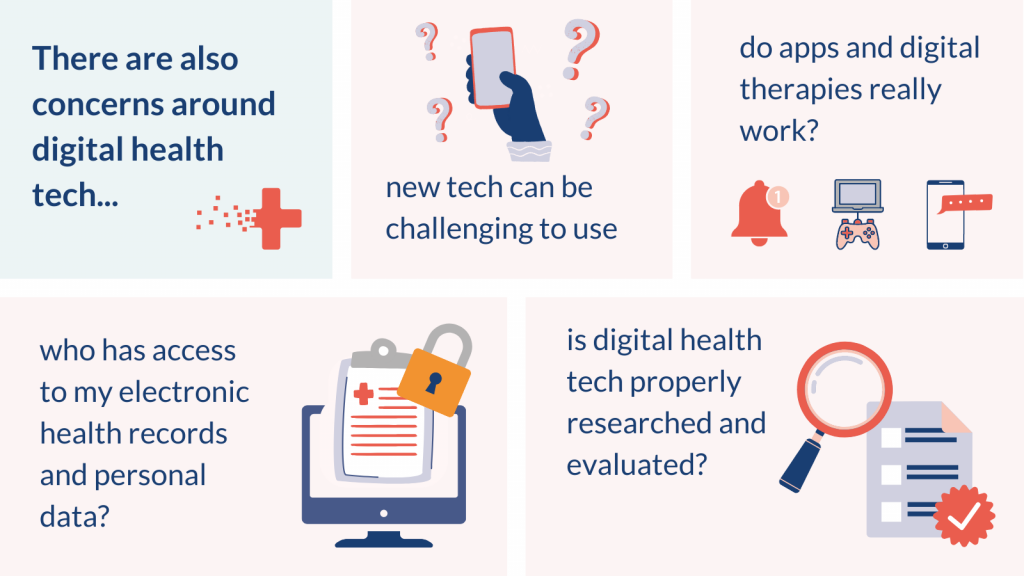
AI and biotech will enable:
- Personalized medicine
- Predictive diagnostics
- Faster drug development
- Remote patient monitoring
Healthcare will become more preventive and data-driven.
Future of Work and Smart Workplaces
Workplaces will adopt:
- AI management tools
- Hybrid and remote-first models
- Skill-based hiring over degrees
Lifelong learning will be a necessity, not a choice.
Smart Cities and Intelligent Infrastructure
Cities will use AI and IoT to manage:
- Traffic and transportation
- Energy consumption
- Waste systems
- Public safety
Urban life will become more efficient and responsive.
Ethical, Legal, and Social Impacts of Future Tech
With powerful technology comes responsibility. Key issues include:
- AI bias and transparency
- Data privacy
- Job displacement
- Regulation of autonomous systems
Ethics will shape adoption as much as innovation.
Frequently Asked Questions (FAQs)
1. What is the most important future tech trend?
Artificial intelligence is the most transformative across all sectors.
2. Will AI replace jobs by 2030?
Some roles will change, but many new jobs will emerge.
3. Is quantum computing a real threat to security?
Yes, which is why post-quantum encryption is critical.
4. How will future tech affect daily life?
Smarter services, better healthcare, and more automation.
5. Which industries will change the most?
Healthcare, finance, manufacturing, education, and energy.
6. How can individuals prepare for future tech trends?
By learning digital skills and adapting continuously.
Conclusion
The era defined by Future Tech Trends 2025–2030 will be one of rapid transformation and opportunity. Artificial intelligence, quantum computing, biotechnology, and sustainable innovation will redefine economies and societies. Those who stay informed, adaptable, and ethical will thrive in the decade ahead.
About the Author