The AI Skills Report 2025 explores the most in-demand AI, data, and human skills worldwide, highlighting workforce trends, skill gaps, and how professionals and companies can prepare.

Executive Summary: The State of AI Skills in 2025
The AI Skills Report 2025 reveals a defining reality of the modern workforce: artificial intelligence skills are no longer optional, specialized, or limited to technology roles. AI has become a foundational capability across nearly every industry, from healthcare and finance to education, manufacturing, and creative fields.
This report highlights five core findings:
- AI literacy is now a baseline workforce requirement
- Skill-based hiring is accelerating faster than degree-based hiring
- Human skills are increasing in value alongside AI adoption
- AI-related skill gaps remain wide across industries
- Continuous upskilling is essential for long-term employability
Together, these trends signal a permanent shift in how careers are built, evaluated, and sustained in the age of AI.
Why AI Skills Matter More Than Ever
AI adoption reached a tipping point by 2025. Organizations are no longer experimenting with AI—they are operating with it. AI systems now assist with:
- Decision-making
- Customer interaction
- Content creation
- Diagnostics and forecasting
- Process automation
As AI handles speed, scale, and repetition, human roles are shifting toward judgment, interpretation, creativity, and oversight. This shift makes AI-related skills essential not only for engineers but for managers, analysts, educators, marketers, and leaders.
In short, AI skills determine who stays relevant as job roles evolve.
What Counts as an AI Skill in 2025?
AI skills extend far beyond coding or model building. In 2025, they fall into three major categories:
- Foundational AI Literacy
- Applied Technical & Data Skills
- Human Skills That Complement AI
Understanding this full spectrum is critical for both individuals and organizations.
Foundational AI Skills (The New Baseline)
AI Literacy
AI literacy refers to the ability to:
- Understand what AI can and cannot do
- Use AI tools responsibly and effectively
- Interpret AI-generated outputs
- Recognize bias, risk, and limitations
In 2025, AI literacy is comparable to basic computer skills in the early 2000s. Professionals who lack it struggle to remain productive in AI-enabled workplaces.
Prompting & AI Tool Interaction
Knowing how to interact with AI systems has become a distinct skill. This includes:
- Writing effective prompts
- Iterating and refining AI outputs
- Evaluating accuracy and relevance
Prompting is not about tricks—it’s about clear thinking and communication.
Technical & Data-Oriented AI Skills
Data Analysis & Interpretation
AI depends on data, but humans must interpret results. Employers value professionals who can:
- Ask the right questions of data
- Validate AI recommendations
- Translate insights into decisions
Data literacy is now required in roles far beyond analytics teams.
Machine Learning Awareness
While not everyone must build models, understanding:
- How models are trained
- Overfitting and bias
- Model accuracy and limitations
is increasingly important for managers and decision-makers who rely on AI outputs.
AI Governance & Oversight
As AI systems influence real outcomes, skills in:
- Monitoring AI behavior
- Ensuring compliance
- Managing risk
are growing rapidly, especially in regulated industries.
Human Skills Rising in the Age of AI
Contrary to early fears, AI has increased the value of human skills.
Critical Thinking
Humans must evaluate AI outputs, detect errors, and apply context. Critical thinking remains one of the most automation-resistant skills.
Creativity
AI can generate content, but humans define:
- Purpose
- Taste
- Original direction
Creative professionals who can guide AI outperform those who resist it.
Emotional Intelligence & Communication
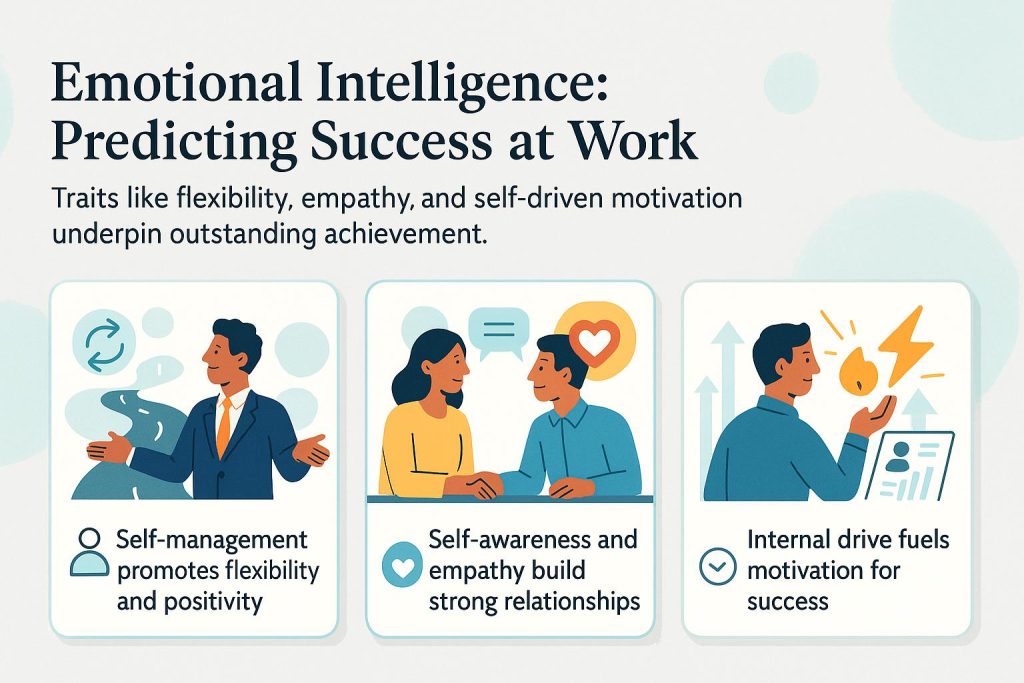
Leadership, collaboration, and trust depend on emotional intelligence—something AI cannot replicate. As teams become more distributed and AI-assisted, EQ becomes more important, not less.
AI Skills by Industry (2025 Snapshot)
Technology
- AI system integration
- Model evaluation
- AI security awareness
Healthcare
- AI-assisted diagnostics
- Data interpretation
- Ethical compliance
Finance & Business
- AI-driven forecasting
- Risk analysis
- Automation oversight
Marketing & Creative Fields
- AI content tools
- Data-driven creativity
- Brand strategy with AI
AI skills are now industry-specific, not one-size-fits-all.
Global AI Skill Gaps Identified in 2025
Despite widespread adoption, significant gaps remain:
| Skill Area | Global Gap Level |
|---|---|
| AI Literacy | Very High |
| Data Interpretation | High |
| Ethical AI Use | Medium |
| Advanced ML | Medium |
| AI Leadership | Very High |
Organizations are investing heavily in reskilling to close these gaps, but demand still outpaces supply.
AI Skills and the Rise of Skill-Based Hiring

The AI Skills Report 2025 confirms a strong shift toward skill-based hiring:
- Degrees are becoming optional
- Demonstrable skills matter more than credentials
- Continuous skill validation replaces static resumes
AI itself is used to assess skills through simulations, task-based evaluations, and real-world problem solving.
How Professionals Can Build AI Skills in 2025
1. Start with AI Literacy
Understand fundamentals before specializing.
2. Learn Through Daily Use
Use AI tools in real work, not just courses.
3. Combine Skills
The most valuable professionals blend:
- AI + business
- AI + communication
- AI + creativity
4. Commit to Lifelong Learning
AI skills expire quickly—continuous learning is essential.
How Organizations Are Responding
Leading companies are:
- Creating internal AI academies
- Offering micro-credentials
- Embedding learning into workflows
- Redesigning roles around skills, not titles
Workforce strategy is shifting from job-based planning to skill-based planning.
Ethics, Trust, and Responsible AI Skills
AI skills are incomplete without ethical awareness. Employers increasingly expect:
- Bias recognition
- Transparency
- Accountability
Responsible AI use is becoming a core professional competency, especially for leaders.
Future Outlook Beyond 2025
Looking ahead:
- AI skills will become standardized
- Skill portfolios will replace resumes
- Human–AI collaboration will define success
- Continuous learning will be expected, not optional
Careers will be built on adaptability, not permanence.
Conclusion: AI Skills Are the New Career Currency
The AI Skills Report 2025 delivers a clear message:
👉 AI skills are the new global currency of work.
Professionals who invest in AI literacy, human strengths, and continuous learning will thrive. Organizations that prioritize skills over credentials will build resilient, future-ready teams.
In the AI era, success belongs to those who learn, adapt, and collaborate with intelligence—human and artificial alike.
About the Author